Elephants Warn Tourists of Tsunami
Description: According to eyewitnesses a group of elephants heard the infrasound of an approaching tsunami and moved to safety. There are numerous accounts of animals sensing natural hazards, through sound waves or vibrations. This phenomenon could be used to investigate natural hazards and students could use these stories to build an early-warning system to protect humans from similar threats.
Web Resource: Tsunami Warnings and Predictions - Wikipedia

Yellowstone Supervolcano
Description: Beneath Yellowstone National Park sits a large magma chamber that has erupted three times over the last two million years. Each of these eruptions was classified as an 8 on the Volcanic Explosivity Index (or VEI) making them supervolcanoes. A supervolcano forms when magma below the earth is unable to break through the surface crust and builds up pressure. Thankfully scientists are monitoring this volcano to protect humans from any future eruptions. This could be used as a phenomenon on natural hazards and the technologies that help to mitigate their effects.
Web Resource: Supervolcano - Wikipedia

Stilt Houses
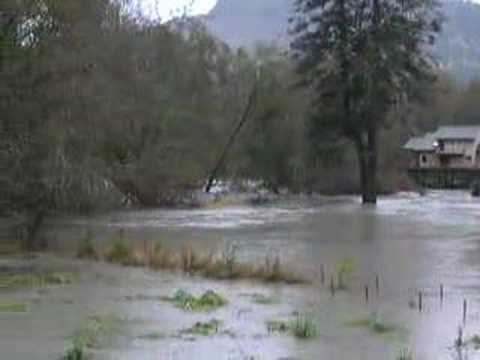
Description: Stilt houses are built on pilings to avoid local weather conditions like storms and flooding. This engineering design solution allows humans to reduce the impact of weather-related hazards. Students can evaluate the merits of this solution or design solutions of their own for a local environment.
Web Resources: Stilt House - Wikipedia, Make it Right