Augmented Reality Sandbox
Description: The augmented reality sandbox uses technology to visualize earth science processes. A camera measures the depth of the sand which is then projected with different colors on the sand by an overhead projector. The technology allows a topographic map to be manipulated in real time. Water can be added to the system to show the interaction between the geosphere and the hydrosphere.
Web Resource: Augmented Reality Sandbox - UCDavis

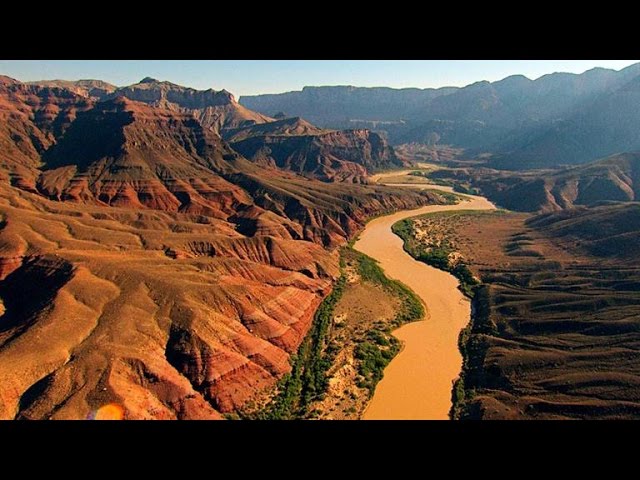
How Was The Grand Canyon Formed?
Description: The Grand Canyon is a mile-deep and was carved by the Colorado River over millions of years. This phenomenon shows how consistent weathering and erosion over a long period of time can radically shape the earth. Even though the work of the Colorado took millions of years this is relatively rapid compared to the billions of years of deposition revealed by the Canyon. A trip down into the Grand Canyon is literally a trip back in time written in the rocks.
Web Resources: Grand Canyon National Park, Grand Canyon - Wikipedia, Grand Canyon: Location, Formation & Facts - LiveScience