Runner’s High
Description: The "runner's high" is a feeling of euphoria that occurs during and after strenuous exercise. Research has show that this occurs when endorphins are released in the peripheral nervous system and eventually bind to receptors in the brain. Endorphins are mainly used to block pain in the body. This could be used as a phenomenon related to homeostasis and interacting body systems.
Web Resource: Neurobiological Effects of Physical Exercise - Wikipedia

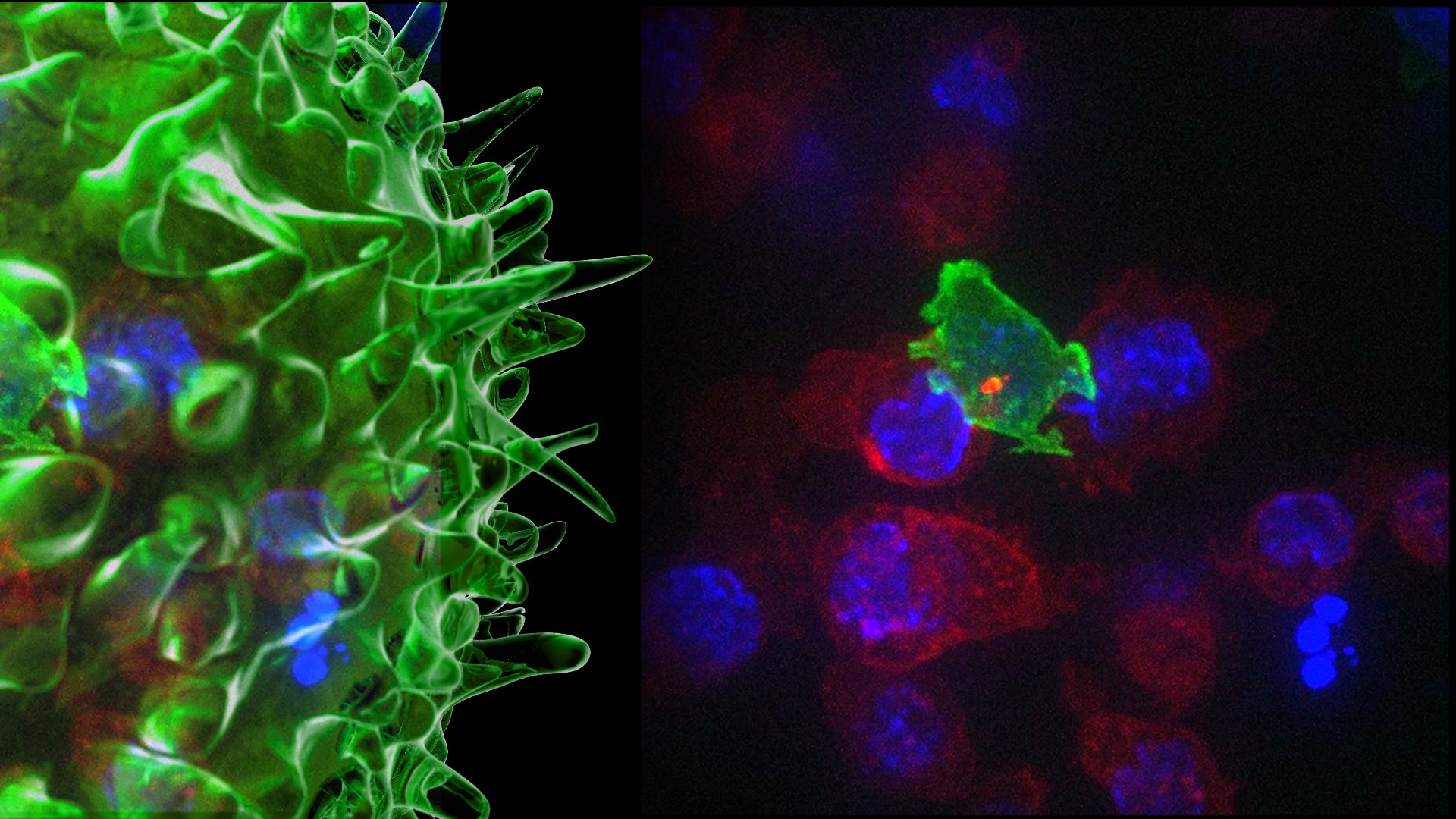
Killer T Cell - The Cancer Assassin
Description: Researchers at the University of Cambridge captured this dramatic footage of killer (cytotoxic) T cells capturing and destroying cancer cells. These white blood cells identify chemicals on the surface of virally-infected or cancerous cells. They then inject chemicals which lead to the death of the infected or cancerous cell. This phenomenon can be used introduce the cell as a basic unit of life or be used in a larger unit on interacting systems or homeostasis.
Web Resources: Body’s ‘serial killers’ captured on film destroying cancer cells - University of Cambridge, Cytotoxic T cells - Wikipedia
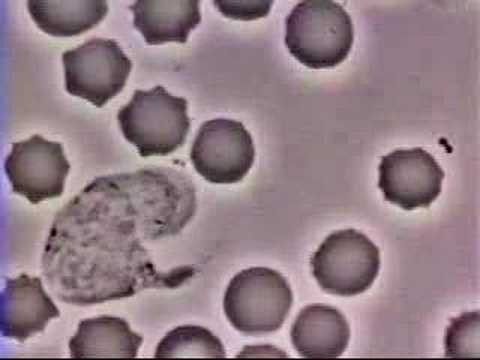
White Blood Cell Chases Bacteria
Description: In this dramatic movie from the 1950's a neutrophil chases and engulfs a bacteria. White blood cells like this neutrophil are an important part of our immune system. They will migrate to a site of infection or inflammation through chemotaxis and eliminate invading microbes. This phenomenon will hopefully lead to a number of student questions like: How does the white blood cell follow the bacteria? What happens once the microbe is engulfed? etc.
Web Resources: Neutrophil Chasing Bacteria - About the Movie, Neutrophil - Wikipedia
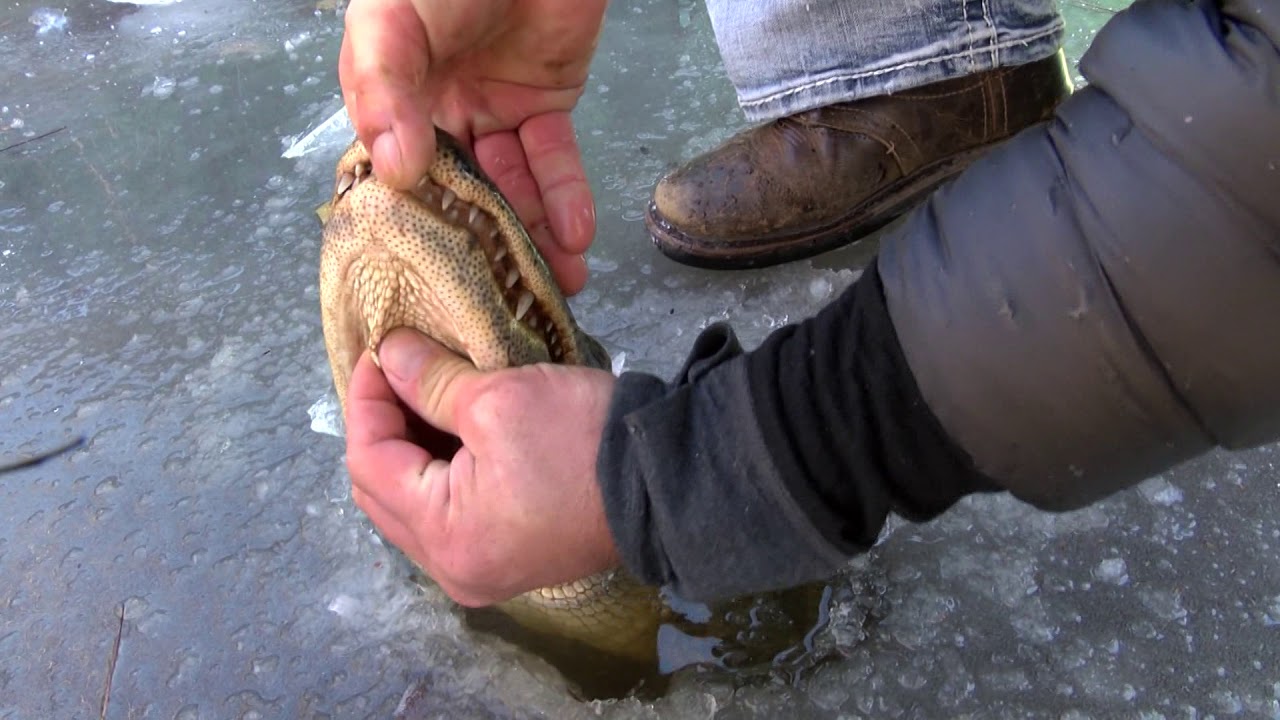
Alligators Survive In Ice
Description: As ice covers a lake, the alligators will leave their nostrils out of the water, sometimes frozen in place. Since the alligators are ectothermic (receiving body heat from their environment) they will enter into a state of dormancy called brumation. This amazing phenomenon could be used as an example of successful animal behavior or a form of homeostasis.
Web Resources: Alligators 'Snorkel' to Survive Ice-Covered Swamp - Live Science, Reptile Brumation - South Carolina Aquarium
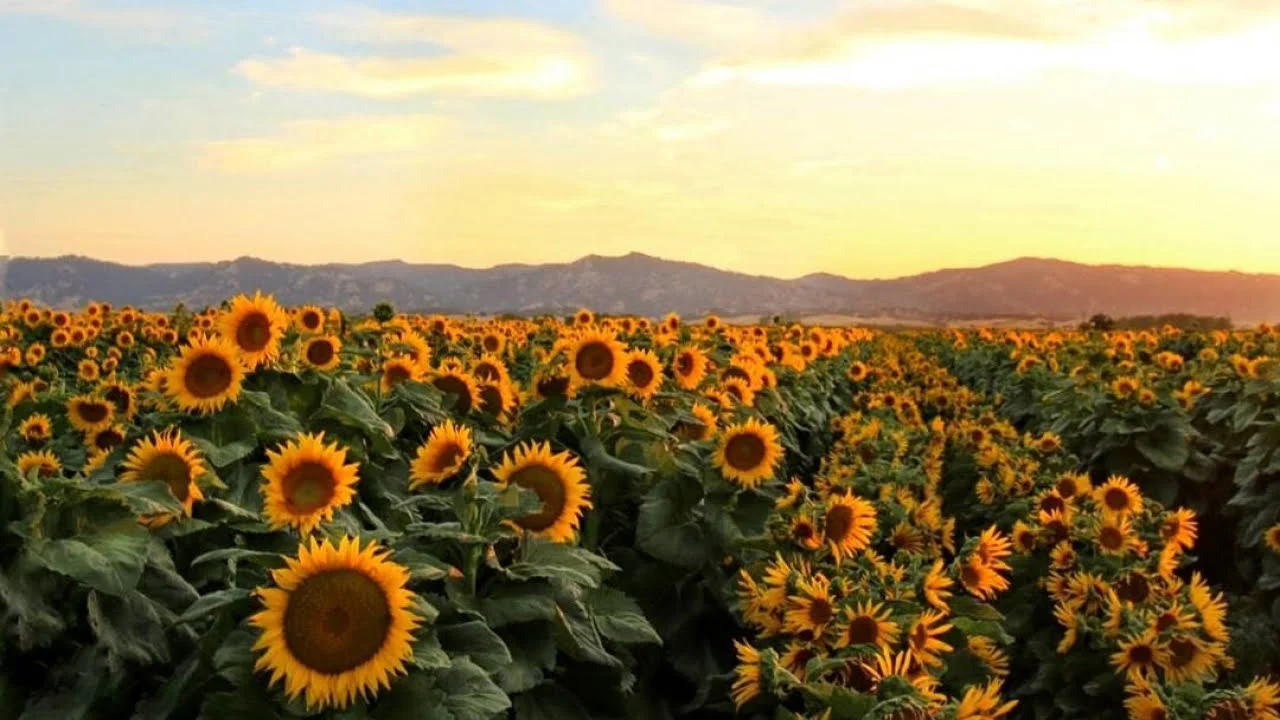
Why Do Sunflowers Follow the Sun?
Description: This is an excellent phenomenon that can be used in many different units. According to researchers only young sunflowers will follow the Sun. These flowers are following a natural circadian rhythm to receive the most light for photosynthesis. However when they mature the flowers will mainly face east. The reason for this is fairly simple, bees like warm flowers, and the flowers facing the east are the warmest.
Web Resources: The Mystery Of Why Sunflowers Turn To Follow The Sun — Solved - NPR, Helianthus - Wikipedia