Ice Turns Himalayan Rabbits Black

Description: The Himalayan rabbit is an excellent example of an organism that shows how the environment can affect traits. A rabbit kit (baby) that is exposed to as little as 20 minutes of cold will develop darker fur. Since the ears and feet of a Himalayan rabbit are colder they are generally black in color. In a classic genetics experiment a Himalayan is shaved and then an ice pack is placed on its back. The fur grows back black in the location that was cooled.
Web Resources: Himalayan Rabbit Markings - Wikipedia , Pathwayz - Genetics/Environment
By SableSteel [CC BY-SA 3.0], from Wikimedia Commons

By SableSteel [CC BY-SA 3.0], from Wikimedia Commons
Ant Cooperation
Description: Ants show one of the highest forms of social (or group) interactions, known as eusociality. In the following two videos ants work together to carry a large food item and create a bridge made of ants. The individual goals of ants are less important than the overall goals of the colony. Bees, wasps, termites and even some mammals (like the the naked mole-rat) show a similar behavior.
Web Resource: Eusociality - Wikipedia


The Salmon Canon
Description: Dams provide hydroelectric power and recreation to much of the Pacific Northwest. However these dams block the normal migration of salmon upstream to spawn. Whoosh Systems has created a "salmon cannon" that may the problem of salmon migration. Salmon are moved up a vacuum tube and launched into the water above the dam.
Web Resources: Meet the Salmon Cannon - Geek Wire, Whooshh Innovations

Attack Of The Killer Fungi
Description: The cordyceps fungi has a fascinating life cycle. Spores from the fungi are ingested by an insect (like an ant). The fungi takes over the insect causing it to climb to a high branch and hold tight with its mandibles. A fruiting body then emerges from the head of the insect and spreads more spores that infect more insects. Different species of cordyceps infect different species of insects. This phenomenon can be used to introduce the diverse and unique life cycles found in organisms.
Web Resource: Cordyceps Fungi - Wikipedia

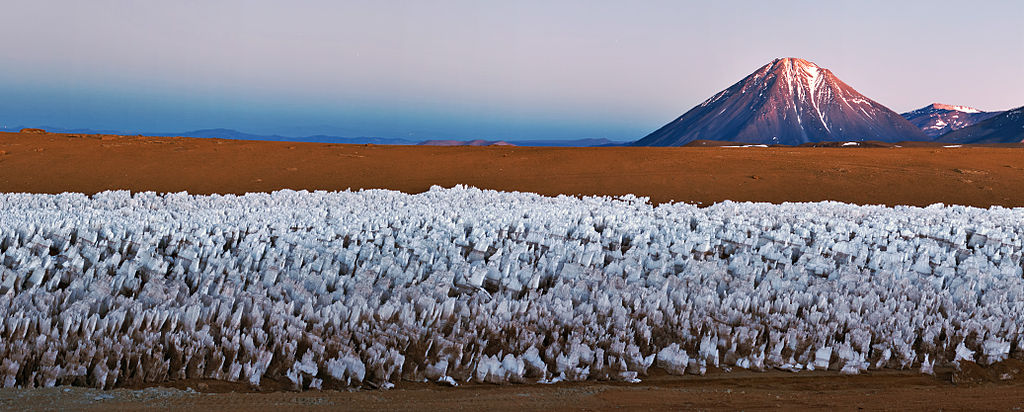
Brinicles
Description: As ocean water freezes into solid ice the remaining saltwater forms into icy "stalactites" that descend into the ocean. This can be used as a phenomenon in an elementary class to show changes in state. In middle and high school the chemistry can be explored more deeply.
Web Resource: Brinicle - Wikipedia

Melting And Freezing Time Lapse
Description: Time lapse allows students to see phenomenon that they would normally be able to see. Make sure to use some phenomenon that are reversible (e.g. melting and freezing) and some that are non-reversible (e.g. burning)


Why Do Humans Have Different Colored Skin?
Description: Human skin color can change in response to environmental changes (i.e. getting a sunburn or a suntan). However the root cause of our skin color is genetic and comes from our ancestors. UV radiation causes damage to the DNA in our cells and can lead to various forms of cancer. If your ancestors lived in an area that received large amounts of UV radiation (i.e. closer to the equator) humans evolved darker skin for protection through the process of natural selection. However light is also important since it allows humans to synthesize vitamin D. Therefore if your ancestors lived in an area that receives little light (i.e. near the poles) they evolved lighter skin.
Web Resources: Human Skin Color - Wikipedia, The Biology of Skin Color - HHMI
The Asteroid That Killed The Dinosaurs
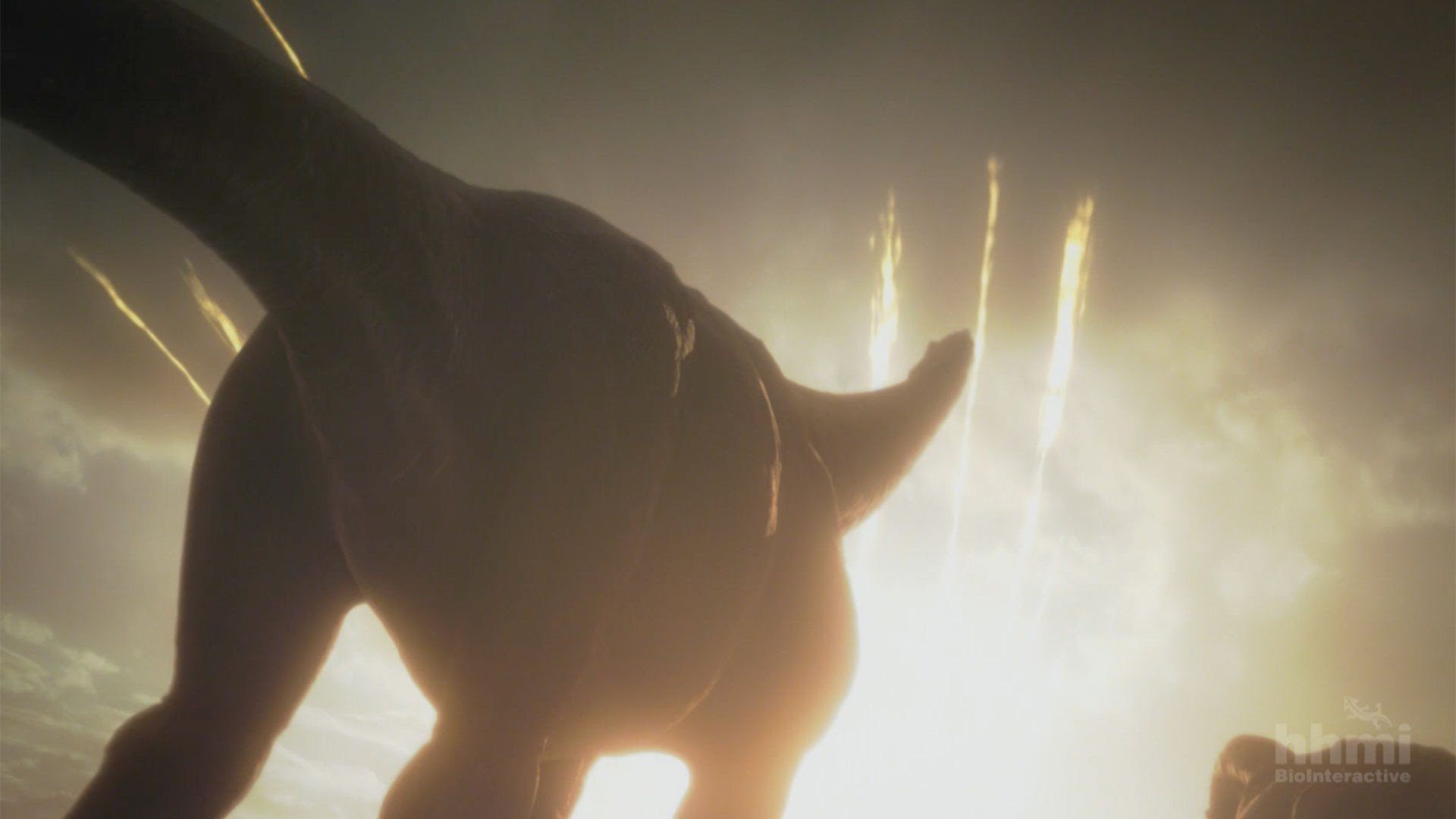
Description: It is estimated that 75% of plant and animal (including dinosaur) species went extinct after the Earth was hit with a massive asteroid 66 million years ago. Evidence includes a thin layer of rock containing iridium (rarely found on Earth but common in asteroids) around the planet. Scientists have also discovered a large impact crater. The cause of the extinction is fairly clear but the details of the effects leave much to be explored.
Web Resource: Cretaceous–Paleogene extinction event - Wikipedia
Galapagos Finch Evolution
Description: When Darwin visited the Galapagos Island he collected a number of bird species that he brought back to England. He presented them to ornithologist John Gould thinking they were a variety of birds and he was told that they were all different varieties of finches. This led Darwin to speculate that a population of finches had arrived on the islands and had adapted to different climates through natural selection. However Darwin was never able to observe evolution taking place. Researchers Peter and Rosemary Grant have been observing evolution of Galapagos finches for the last 40 years. One of the most famous studies involved the change in beak depth of medium ground finches during times of drought. Birds that had small beaks were unable to open the dry seeds causing microevolution in the surviving birds.
Web Resources: Peter and Rosemary Grant Research - Wikipedia, The Beak of the Finch - HHMI

Megafauna Extinction: Humans or Climate?
Description: North America (like Africa today) was once covered with large megafauna (animals weighing more than 100 pounds). This included giant mammoths, ground sloths, and beavers the size of a large bear. However most of these animals disappeared by 11,000 years ago. What was the cause of this extinction? Humans, climate, or a combination of the two? Phenomenon like this can be found around the World and can introduce the idea of human impacts on the environment.
Web Resource: What Killed the Great Beasts of North America?

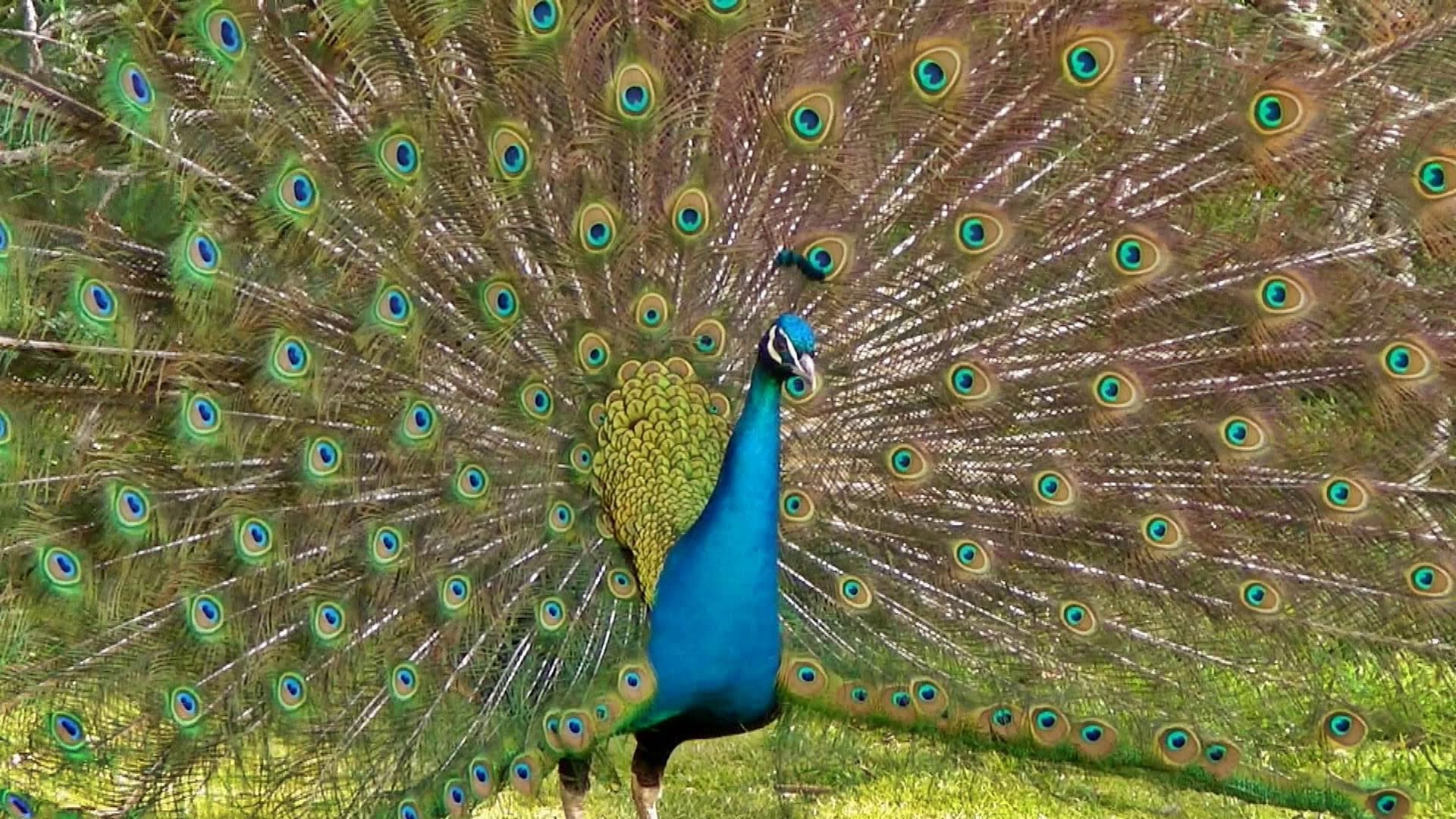
A Peacock's Tail
Description: The tail of the male peacock is a great example of sexual selection. Female peafowl are attracted to male peacocks with the largest and most ornate train. The ability of male peacocks to create a large train is related to their overall fitness. Therefore females are more likely to have healthy chicks if they mate with a male with the largest train. Scientists were able to measure female choice by trimming the trains of normally healthy male peacocks which led to them not being selected as potential mates.
Web Resources: A Peacock’s Tail - The Guardian, Evolution and Sexual Selection in Peafowl - Wikipedia
Can Prairie Dogs Talk?
Description: Biology Professor Con Slobdochikoff and his team have shown that prairie dogs have a complex language for communicating danger from predators. Dogs, badgers, coyotes, and humans all have distinctive calls to alert the other members of the colony. Dr. Slobdochikoff has even shown that these warning calls can have descriptors (e.g. a large human with a green shirt is approaching). This phenomenon can be used to show the advantages of group living as well as information sensation, processing, and behavior / memory formation.
Web Resource: Can Prairie Dogs Talk? - The New York Times

Slime
Description: Everyone loves slime...especially elementary students. This phenomenon is a great introduction into chemical reactions. The properties of the reactants can be compared to the properties of the products to show that a chemical reaction has occurred. In high school the chemistry of polymers and cross-linking can be explored through slime.
Web Resource: The Science of Slime - American Chemical Society

Elephant Toothpaste
Description: Elephant toothpaste is a dramatic chemistry demonstration that involves the decomposition of concentrated hydrogen peroxide (H2O2) into water and oxygen. Potassium iodide is used as a catalyst to speed up the reaction. Soap is added to trap the escaping oxygen gas and food coloring is often added to the experiment. This phenomenon can be using in elementary science classes to illustrate non-reversible reactions and can be studied in more detail in middle and high school.
Web Resource: Elephant toothpaste - Wikipedia

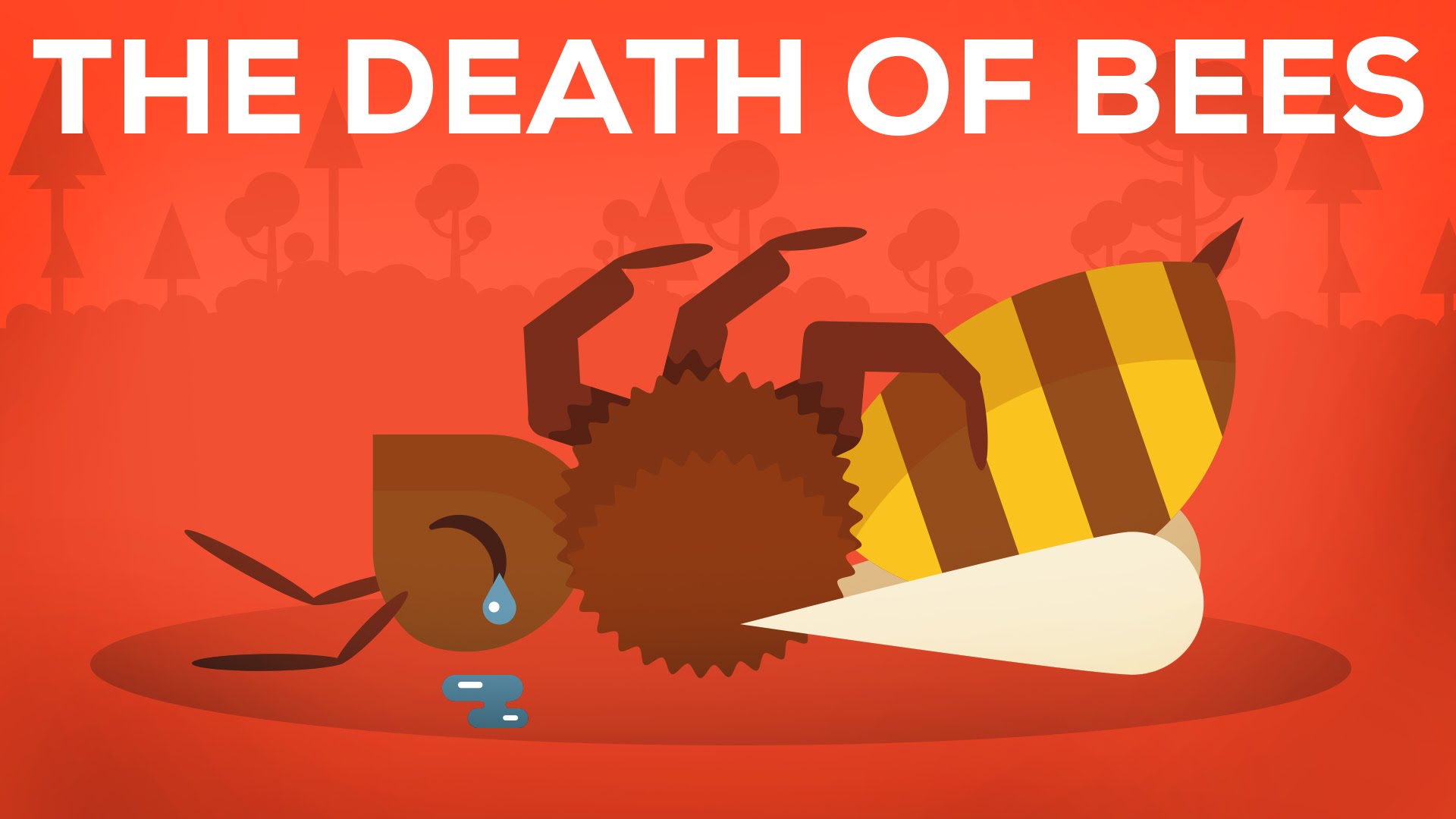
The Mystery Of The Missing Bees
Description: The specific cause (or causes) of colony collapse disorder has not been found but the fact that a number of bees are dying is clear. This will have massive economic impacts since many of the foods we eat are pollinated by bees. Since humans are both impacting and being impacted by this problem it can be used as an engineering problem in need of a solution.
Web Resource: Colony Collapse Disorder - Wikipedia
Air Plants - No Soil Needed
Description: Air plants (Aerophytes) don't require soil to grow so they can use used as an introductory phenomenon as your students explore plant needs. Air plants live in areas with high humidity and are generally epiphytes (plants that live on but are not parasites of) living on larger trees. Air plants obtain the water they need to survive from the environment so they must either be misted or occasionally dipped in water.
Web Resource: Air Plant Care - HGTV, Air Plant Supply Co.

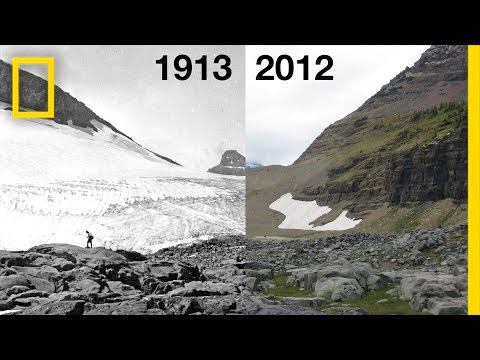
Glacier National Park Is Melting Away
Description: Glacier National Park used to have 150 glaciers and it now has 25. Photographic evidence in this video shows how drastically the glaciers are being shaped by a warming planet. This phenomenon can be used to show two forms of freshwater (ice and water) in elementary science and as evidence for global warming in secondary.
Web Resource: Retreat of Glaciers Since 1850 - Wikipedia
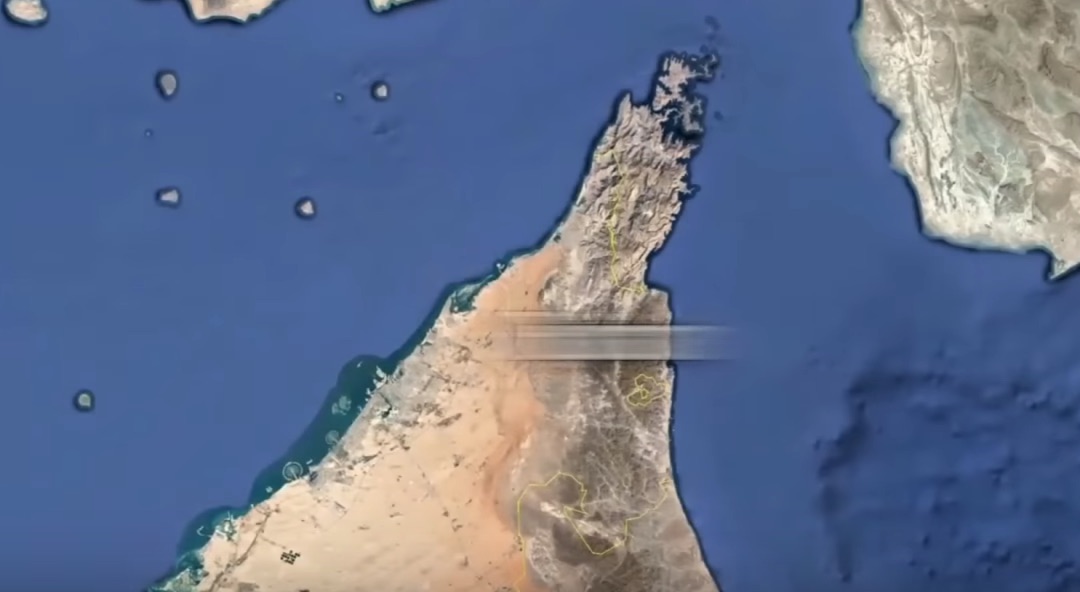
Towing An Iceberg To The United Arab Emirates
Description: The National Advisor Bureau Limited plans to tow icebergs to the UAE for a source of freshwater. The majority of freshwater on the planet is frozen in glaciers and ice caps. This solution would provide adequate freshwater to the UAE but it would present many engineering challenges. The smaller icebergs would melt along the way and the larger ice bergs would be pushed by the large currents in the ocean.
Web Resource: Science Alert Article
Epic Mudslide Caught on Camera
Description: Various forms of mass wasting (e.g. creeps, slumps, landslides, mudflows) can be used to show that earth events can occur quickly or slowly. Mass wasting occurs as gravity acts on the soil and rock in an area. The amount of water in an area greatly affects the speed of the mass wasting.
Web Resources: Mudflow - Wikipedia, The Nelson Daily article

Why Do Rivers Curve
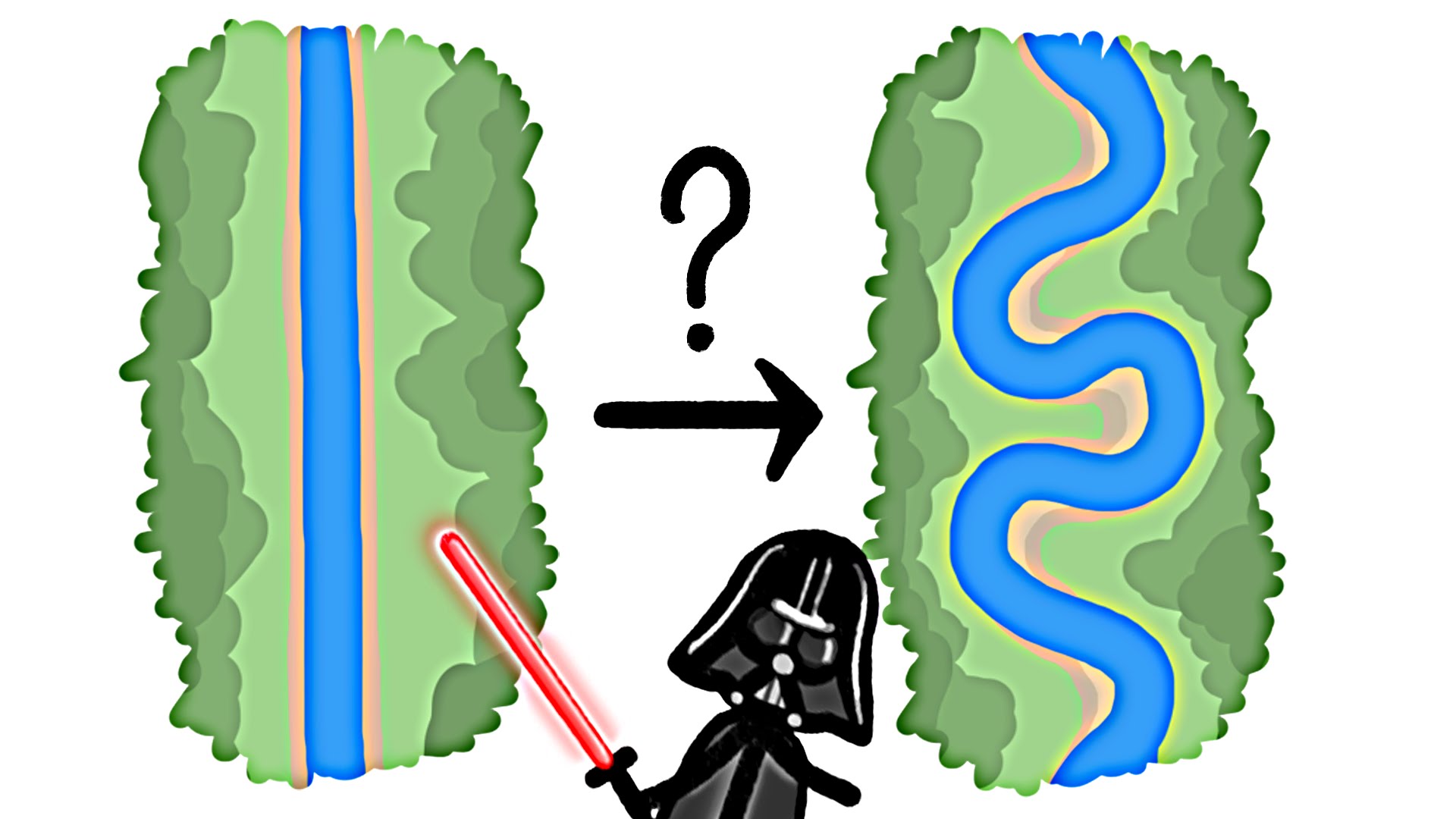
Description: A meandering river is a great example of a phenomenon of water changing the shape of land. When it is surrounded by steep rock a river rarely curves but when it open up in large valleys it will weave back and forth. Water on the outside of the river will travel faster and erode the land more quickly. Eventually it will curve too much and lose speed. A stream table can be used to model a meandering river.
Web Resource: Meander - Wikipedia