
PS1.A: Structure and Properties of Matter
In the first physical science video for the Next Generation Science Standards Paul Andersen explains the structure and properties of matter. He starts by explaining how all matter is made of about 100 smaller particles called matter. He explains a teaching progression for introducing the topic of matter K-12. This begins with a brief introduction to substances that can be scientifically observed at many levels. This eventually builds through molecules and pure substances to the subatomic structure of atoms and the importance of binding energy.
CCC5: Matter and Energy
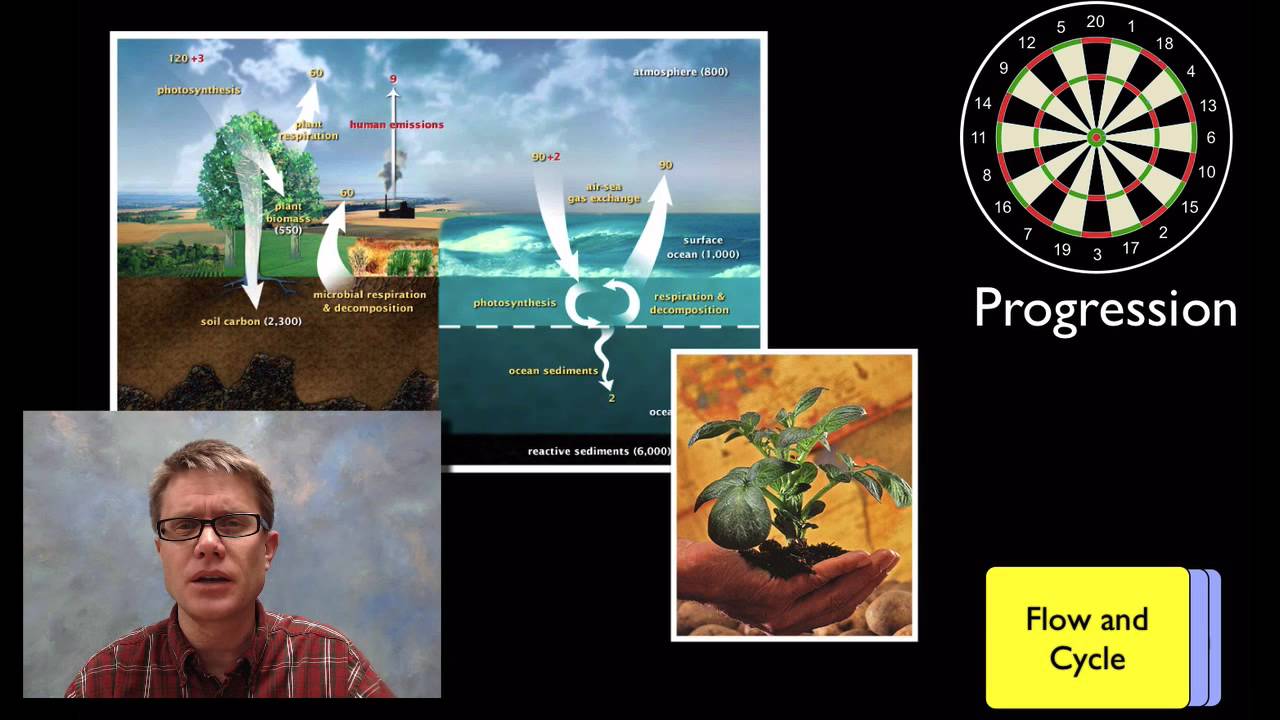
In this video Paul Andersen explains how matter and energy flow and cycle through systems. He starts by explaining how energy and matter input and output will always be conserved. He addresses the many misconceptions surround energy and matter including the belief that food contains energy. He explains how nuclear reactions conserve both batter and energy. The video ends with a teaching progression for grades K-12.
SEP6: Constructing Explanations and Designing Solutions
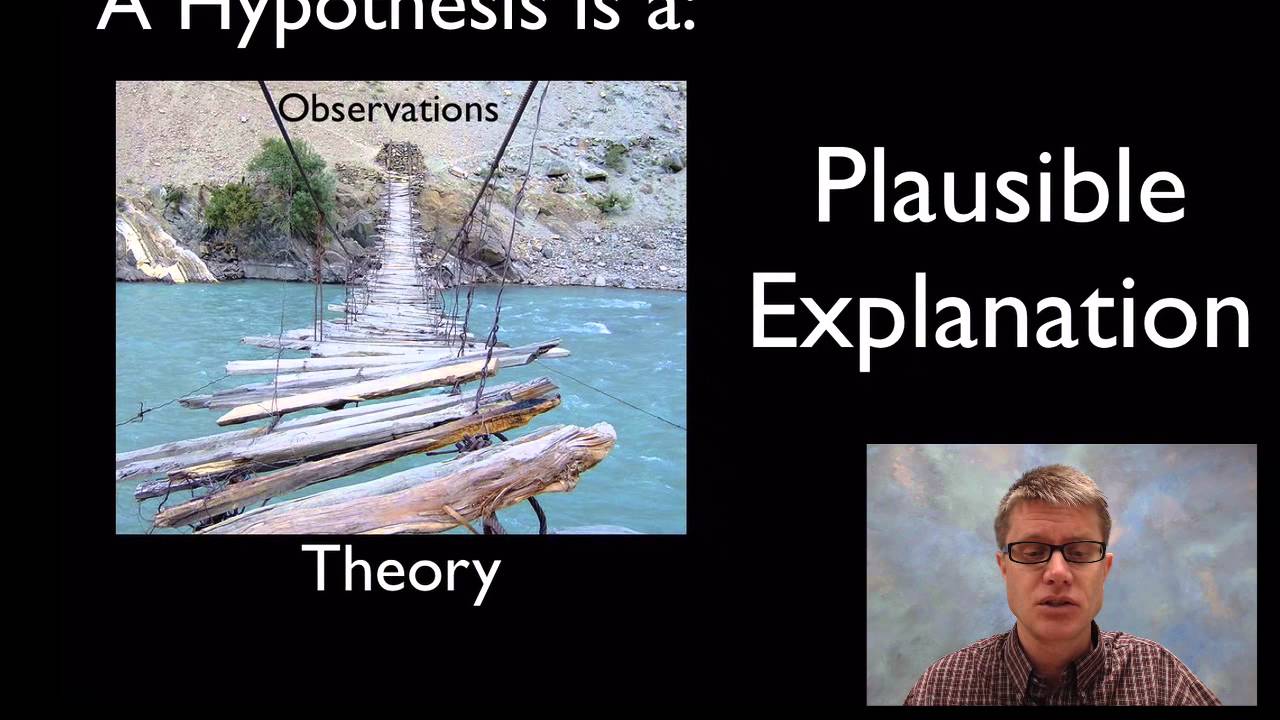
Paul Andersen explains how scientists modify theories by constructing explanations. He also discusses the cycle of design used by engineers to solve problems. He starts by defining a theory as a well-established explanation of a phenomenon that is refined over time. Examples discussed in the video include the big bang theory, the germ theory and the theory of natural selection. He also lays out a progression for building this skill in students.