
Paul Andersen Paul Andersen

LS4.B: Natural Selection

In this video Paul Andersen defines natural selection as differential reproductive success. He then explains how natural selection shapes organisms on our planet through variation and selection. A K-12 teaching progression is also included. Intro Music Atribution Title: I4dsong_loop_main.wav Artist: CosmicD Link to sound: http://www.freesound.org/people/CosmicD/sounds/72556/ Creative Commons Atribution License All of the images are licensed under creative commons and public domain licensing: Cameron, J.
 
LS4B.jpg

In this video Paul Andersen defines natural selection as differential reproductive success.  He then explains how natural selection shapes organisms on our planet through variation and selection.  A K-12 teaching progression is also included.

Read More
Paul Andersen Paul Andersen

CCC2: Cause and Effect

Crosscutting Concept 2: Cause and Effect - Mechanisms and Explanation In this video Paul Andersen explains cause and effect its importance in science and engineering. He starts by addressing the chain of interactions that must be present to show cause and effect. He addresses the assumptions of universality and scale in determining cause and effect.
 

In this video Paul Andersen explains cause and effect its importance in science and engineering.  He starts by addressing the chain of interactions that must be present to show cause and effect.  He addresses the assumptions of universality and scale in determining cause and effect.  He finished the video with a progression of instruction from K-12.
 

Read More
Paul Andersen Paul Andersen

SEP6: Constructing Explanations and Designing Solutions
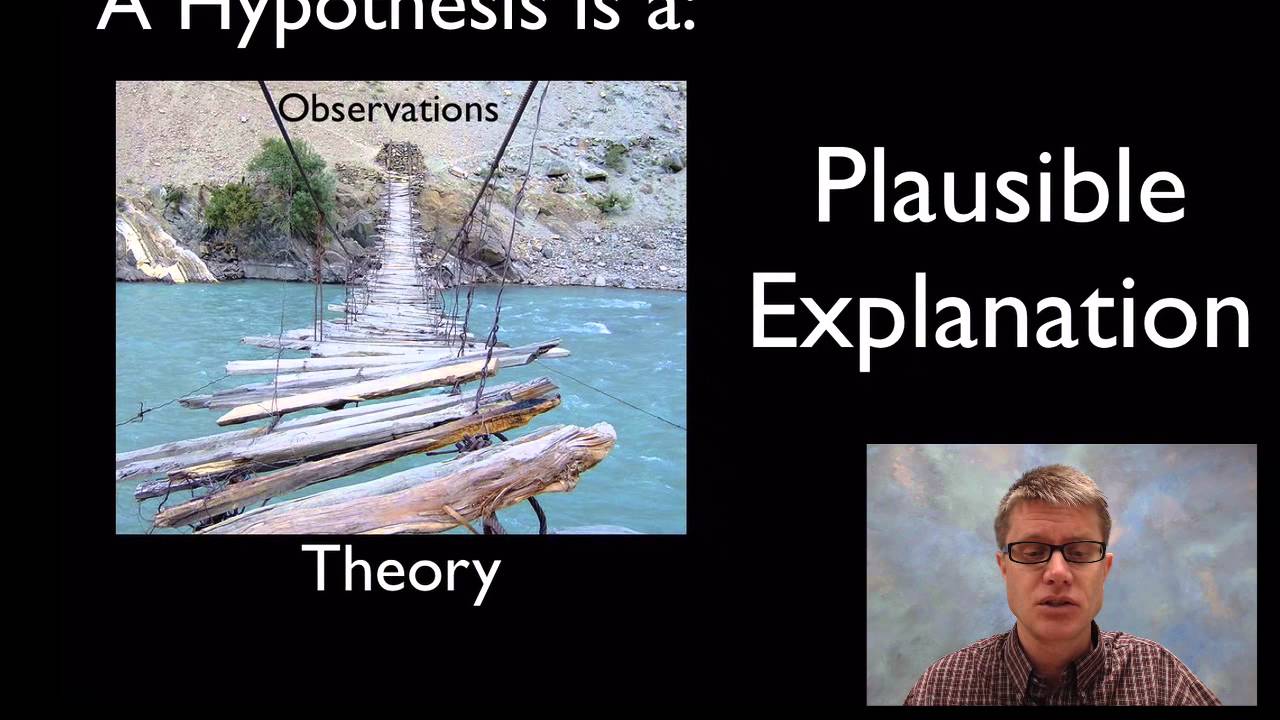
Science and Engineering Practice 6: Constructing Explanations and Designing Solutions Paul Andersen explains how scientists modify theories by constructing explanations. He also discusses the cycle of design used by engineers to solve problems. He starts by defining a theory as a well-established explanation of a phenomenon that is refined over time.
 

Paul Andersen explains how scientists modify theories by constructing explanations.  He also discusses the cycle of design used by engineers to solve problems.  He starts by defining a theory as a well-established explanation of a phenomenon that is refined over time.  Examples discussed in the video include the big bang theory, the germ theory and the theory of natural selection.  He also lays out a progression for building this skill in students.

Read More