Paul Andersen Paul Andersen

LS1.A: Structure and Function
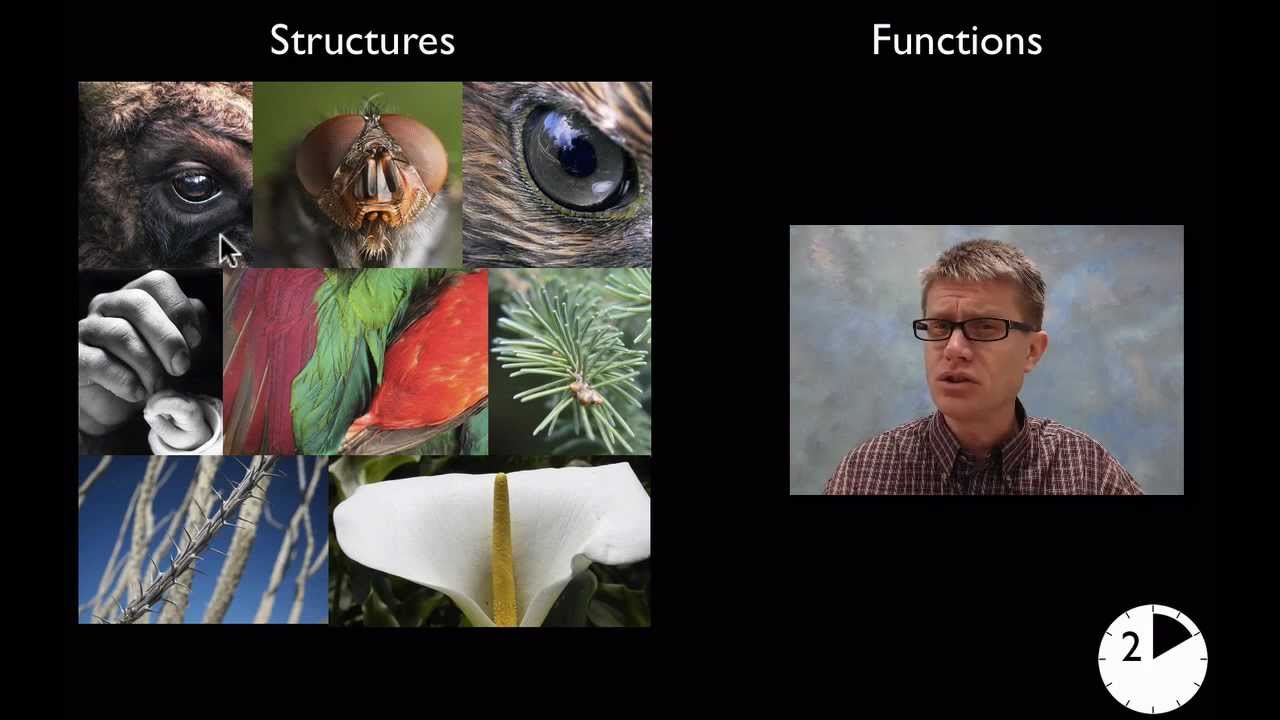
Life Science Disciplinary Core Idea 1A: Structure and Function How do the structures of organisms enable life's functions? Benchmarks for grades 2, 5, 8 and 12 are included. Intro Music Atribution Title: I4dsong_loop_main.wav Artist: CosmicD Link to sound: http://www.freesound.org/people/CosmicD/sounds/72556/ Creative Commons Atribution License
 

How do the structures of organisms enable life's functions?  Benchmarks for grades 2, 5, 8 and 12 are included.

Read More
Paul Andersen Paul Andersen

CCC4: Systems and System Models

Crosscutting Concept 4: Systems and System Models In this video Paul Andersen explains how systems can be used to understand phenomenon in science and create better designs in engineering. He starts by defining the characteristics of a system and describes how system models can be used to better understand the world.
 
Concept 4.jpg

In this video Paul Andersen explains how systems can be used to understand phenomenon in science and create better designs in engineering.  He starts by defining the characteristics of a system and describes how system models can be used to better understand the world.  For example a system model of the water cycle can show the cycling of matter on the surface of the Earth.  He ends with a progression of instruction for a K-12 science classroom.

Read More
Paul Andersen Paul Andersen

SEP7: Engaging in Argument from Evidence

Science and Engineering Practice 7: Engaging in Argument from Evidence Paul Andersen explains the importance of argumentation in improving both understanding and design. This video begins with a discussion of the heliocentric and geocentric model of the Universe that eventually lead to the Copernican Revolution. It highlights the importance of both informal and formal arguments.
 

Paul Andersen explains the importance of argumentation in improving both understanding and design.  This video begins with a discussion of the heliocentric and geocentric model of the Universe that eventually lead to the Copernican Revolution.  It highlights the importance of both informal and formal arguments.  It finishes with a discussion of the educational progression including a great question.

Read More