PS1.B: Chemical Reactions
In this video Paul Andersen explains how chemical reactions progress as bonds are broken and reformed reformed. He explains the difference between changes in state and changes in molecules. He discussed collision theory and explains why increases in temperature and concentration can increase reaction rates. He also discusses the conservation of matter in chemical reactions. The video also contains a teaching progression for chemical reactions from grades K-12.
CCC5: Matter and Energy
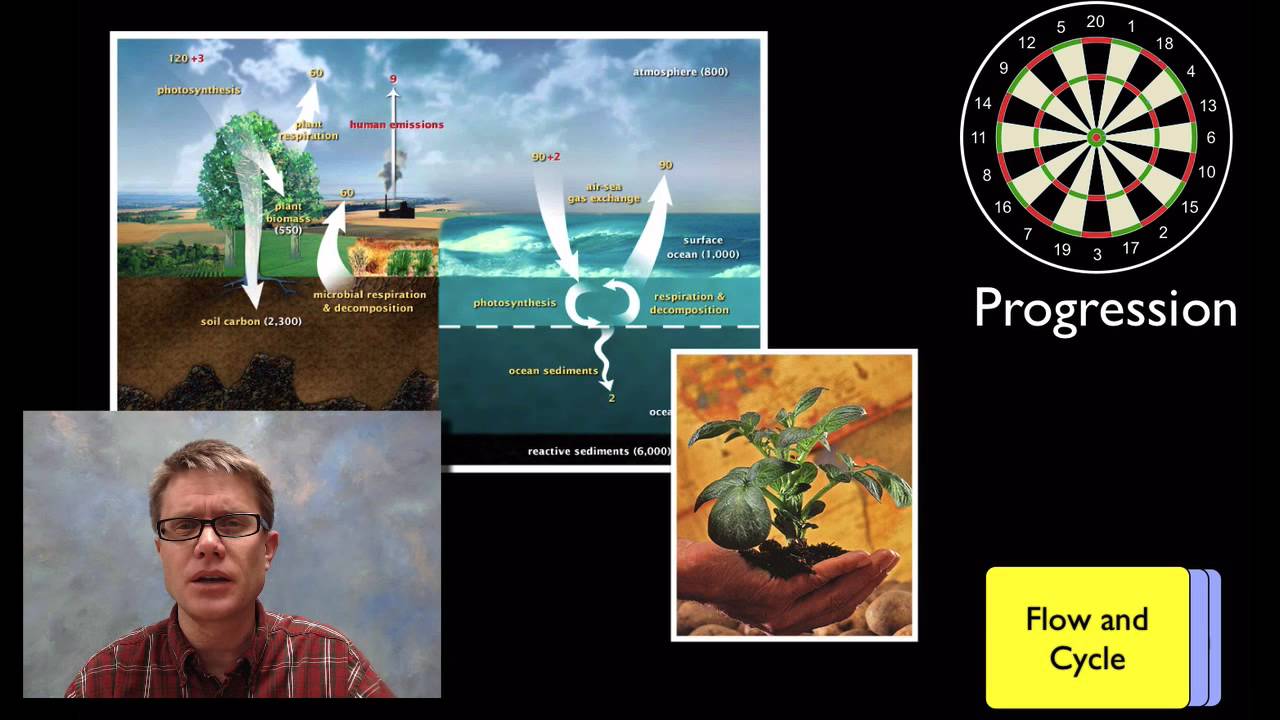
In this video Paul Andersen explains how matter and energy flow and cycle through systems. He starts by explaining how energy and matter input and output will always be conserved. He addresses the many misconceptions surround energy and matter including the belief that food contains energy. He explains how nuclear reactions conserve both batter and energy. The video ends with a teaching progression for grades K-12.
SEP5: Using Mathematics and Computational Thinking
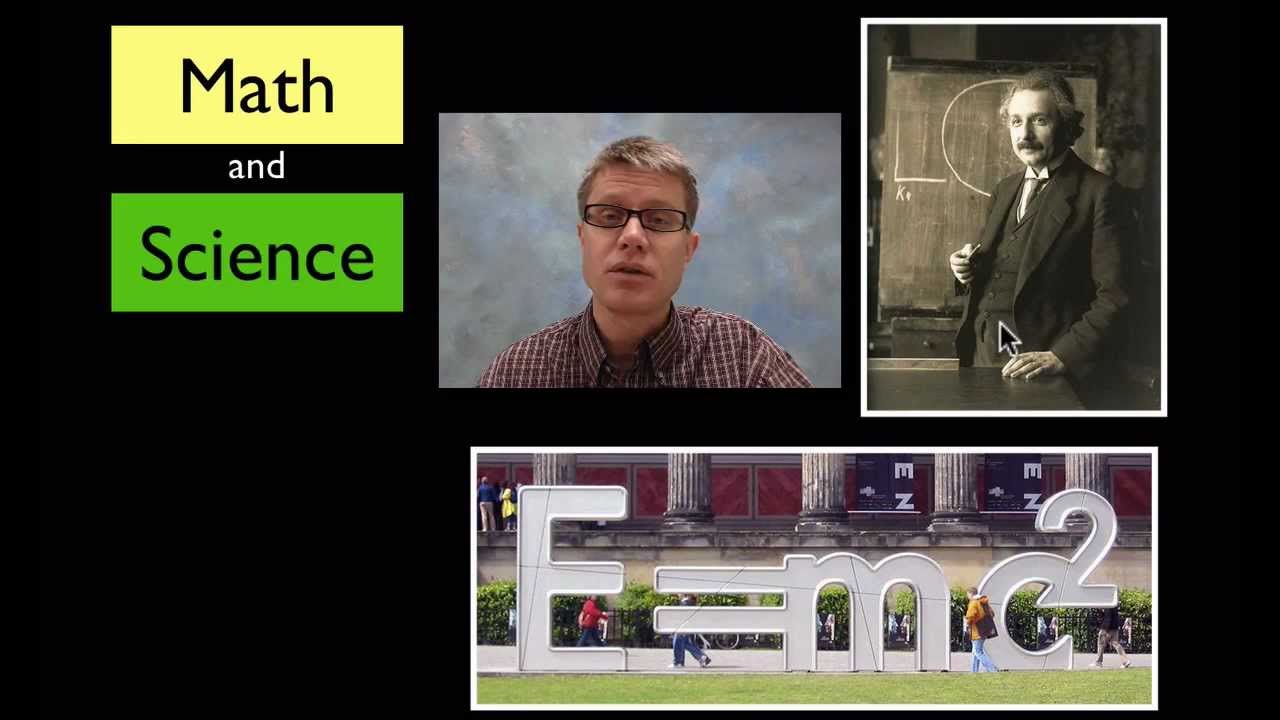
Paul Andersen explains how mathematics and computational thinking can be used by scientists to represent variables and by engineers to improve design. He starts by explaining how mathematics is at the root of all sciences. He then defines computational thinking and gives you a specific example of computational modeling. He finishes the video with a teaching progression for this practice.