

PS4.A: Wave Properties

In this video Paul Andersen describes some of the properties of waves. He starts be identifying particles and waves as the only phenomenon that can transfer energy from place to place. He identifies the defining characteristics of waves; wavelength, frequency and amplitude. He defines sound as the movement of compressional waves through air and resonance as waves interfering both constructively and destructively. A teaching progression K-12 is also included.
CCC2: Cause and Effect

In this video Paul Andersen explains cause and effect its importance in science and engineering. He starts by addressing the chain of interactions that must be present to show cause and effect. He addresses the assumptions of universality and scale in determining cause and effect. He finished the video with a progression of instruction from K-12.
SEP5: Using Mathematics and Computational Thinking
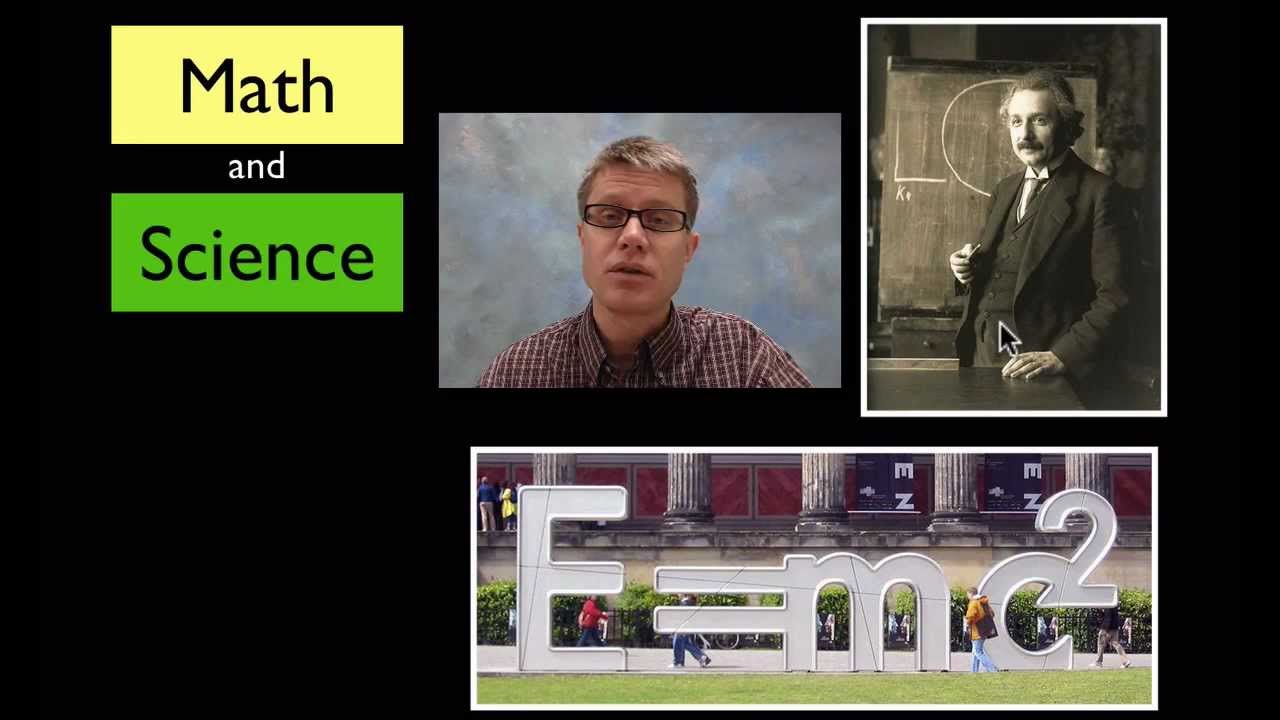
Paul Andersen explains how mathematics and computational thinking can be used by scientists to represent variables and by engineers to improve design. He starts by explaining how mathematics is at the root of all sciences. He then defines computational thinking and gives you a specific example of computational modeling. He finishes the video with a teaching progression for this practice.