
Paul Andersen Paul Andersen

PS2.B: Types of Interactions

Paul Andersen explains how objects interact when touching and at a distance. Electromagnetic forces are very important when objects are touching and fields explain both electromagnetic and gravitational forces. The strong and weak nuclear forces can result in radioactive decay. A brief description of Newton's Law of Universal Gravitation and Coulomb's Law are includes.
 
PS2B.jpg

Paul Andersen explains how objects interact when touching and at a distance.  Electromagnetic forces are very important when objects are touching and fields explain both electromagnetic and gravitational forces.  The strong and weak nuclear forces can result in radioactive decay.  A brief description of Newton's Law of Universal Gravitation and Coulomb's Law are includes.  A teaching progression from grades K-12 is also included.

Read More
Paul Andersen Paul Andersen

CCC2: Cause and Effect

Crosscutting Concept 2: Cause and Effect - Mechanisms and Explanation In this video Paul Andersen explains cause and effect its importance in science and engineering. He starts by addressing the chain of interactions that must be present to show cause and effect. He addresses the assumptions of universality and scale in determining cause and effect.
 

In this video Paul Andersen explains cause and effect its importance in science and engineering.  He starts by addressing the chain of interactions that must be present to show cause and effect.  He addresses the assumptions of universality and scale in determining cause and effect.  He finished the video with a progression of instruction from K-12.
 

Read More
Paul Andersen Paul Andersen

SEP1: Asking Questions and Defining Problems
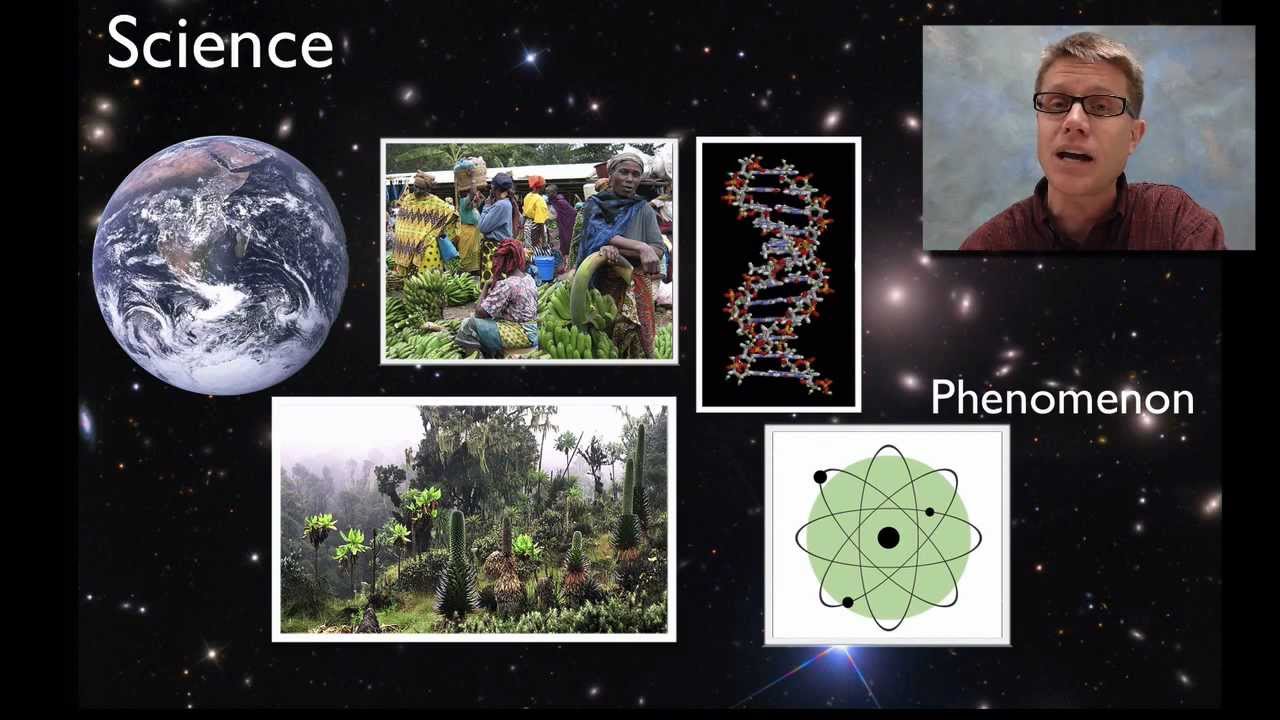
Science and Engineering Practice 1: Asking Questions and Defining Problems Paul Andersen explains how asking questions is the first step in both science and engineering. Questions allow scientists to direct inquiry with a goal of understanding the phenomena in the Universe. Questions allow engineers to define problems that require solutions.
 
Practice 1.jpg

Paul Andersen explains how asking questions is the first step in both science and engineering.  Questions allow scientists to direct inquiry with a goal of understanding the phenomena in the Universe.  Questions allow engineers to define problems that require solutions.

Read More