Weather Folklore
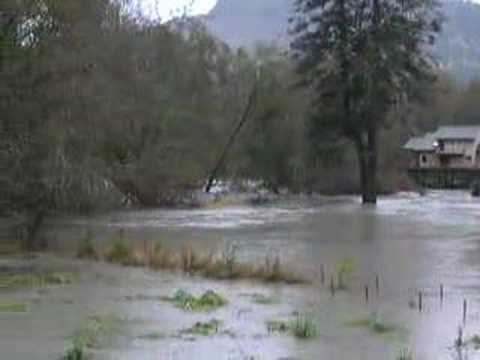
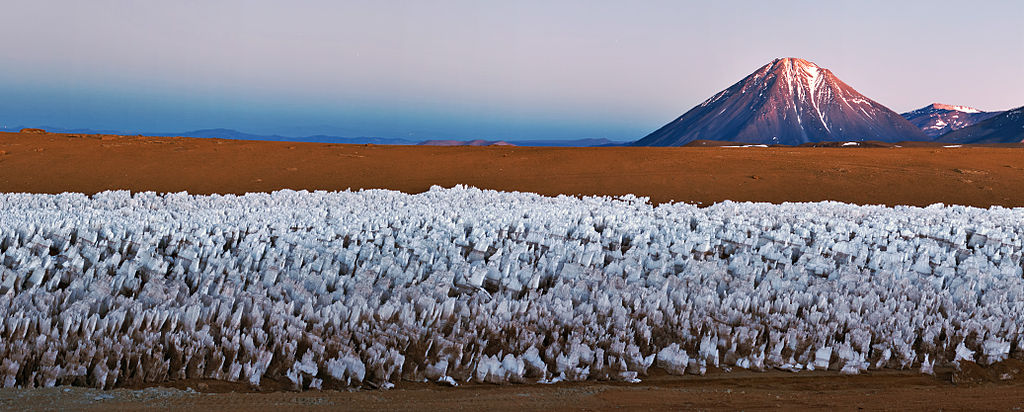
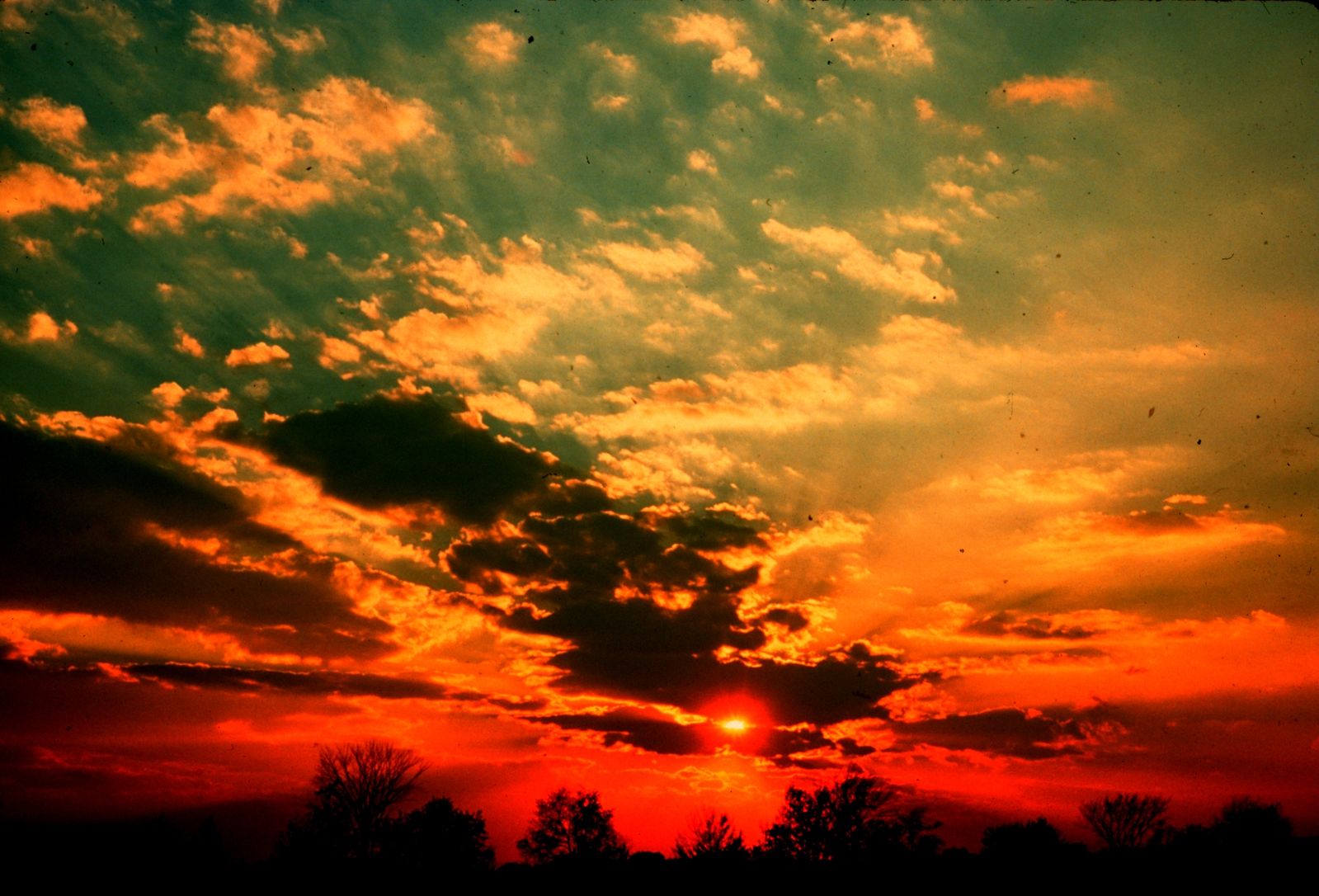
Description: Historic weather folklore can be used to introduce the purpose of weather forecasting. Humans tried to find patterns in the weather so they could prepare for severe weather. As the unit progresses the students could come up with lore of their own based on their observations of local weather patterns.
Web Resources: Weather Folklore - Wikipedia, Weather Wiz Kids Weather Lore
By: PD US NOAA
Snowman Melt Timelapse
Description: This video shows a snowman melting over a couple of days. Both the sun and moon can be seen in the video and differences in melting rates can be seen at night and during the day. Students could build snowman or use substitutes (e.g. ice) and place them in different locations around the school.

Homemade Thermometer
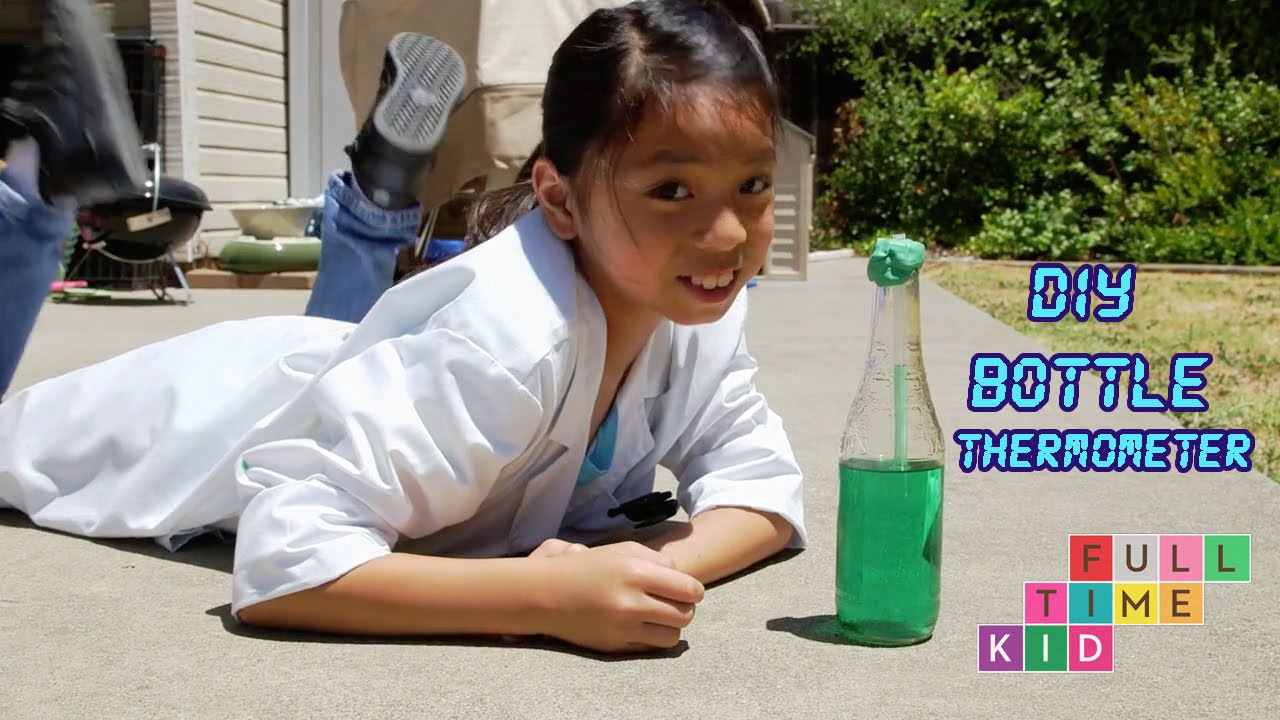
Description: Building a homemade thermometer is a great way to start a unit on weather and warming. As temperature warms the alcohol in the bottle it expands causing the level to increase in the straw. Students should measure the relative temperature in different locations. If it's not possible to build the thermometers give your students simple plastic thermometers and let them explore.
Web Resource: Thermometer - Wikipedia
Lightning Strikes Thrice - Empire State Building
Description: Many people believe that lightning never strikes the same place twice but this video clearly shows that this is not true. A lightning rod consists of three main parts: a lightning rod at the top of a structure, a conducting wire, and a ground rod. This design allows electricity from the lightning strike to pass through directly to the ground without moving through the structure. This protects the structure and the people inside from possible fire and electrocution. This video shows that severe weather occurs in predictable ways and that humans must develop designs that can protect ourselves.
Web Resources: Lightning Rod - Wikipedia, Next Gen Lightning Protection - Extreme Tech
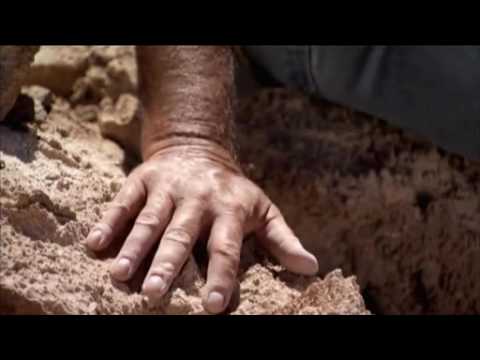
The Driest Place on Earth
Description: Extreme climates (like the Atacama desert) can be used as phenomenon in a unit on weather and climate. The specific location of the desert (in a two-sided rain shadow near the Tropic of Capricorn) has created the arid environment. The average rainfall is 1/2 inch per year but many areas have received no rain for several years. Other phenomenon could include the "_____ Place on Earth" where the blank could represent a variety of weather conditions like Coldest, Hottest, Wettest, Windiest, etc.
Web Resources: Atacama Desert - Wikipedia
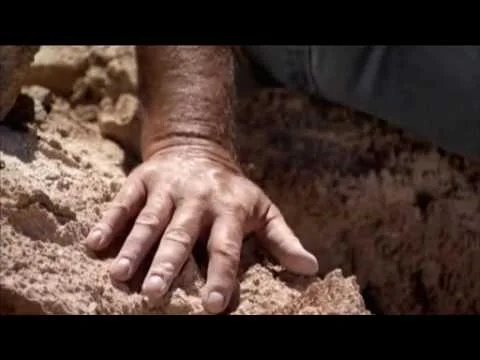
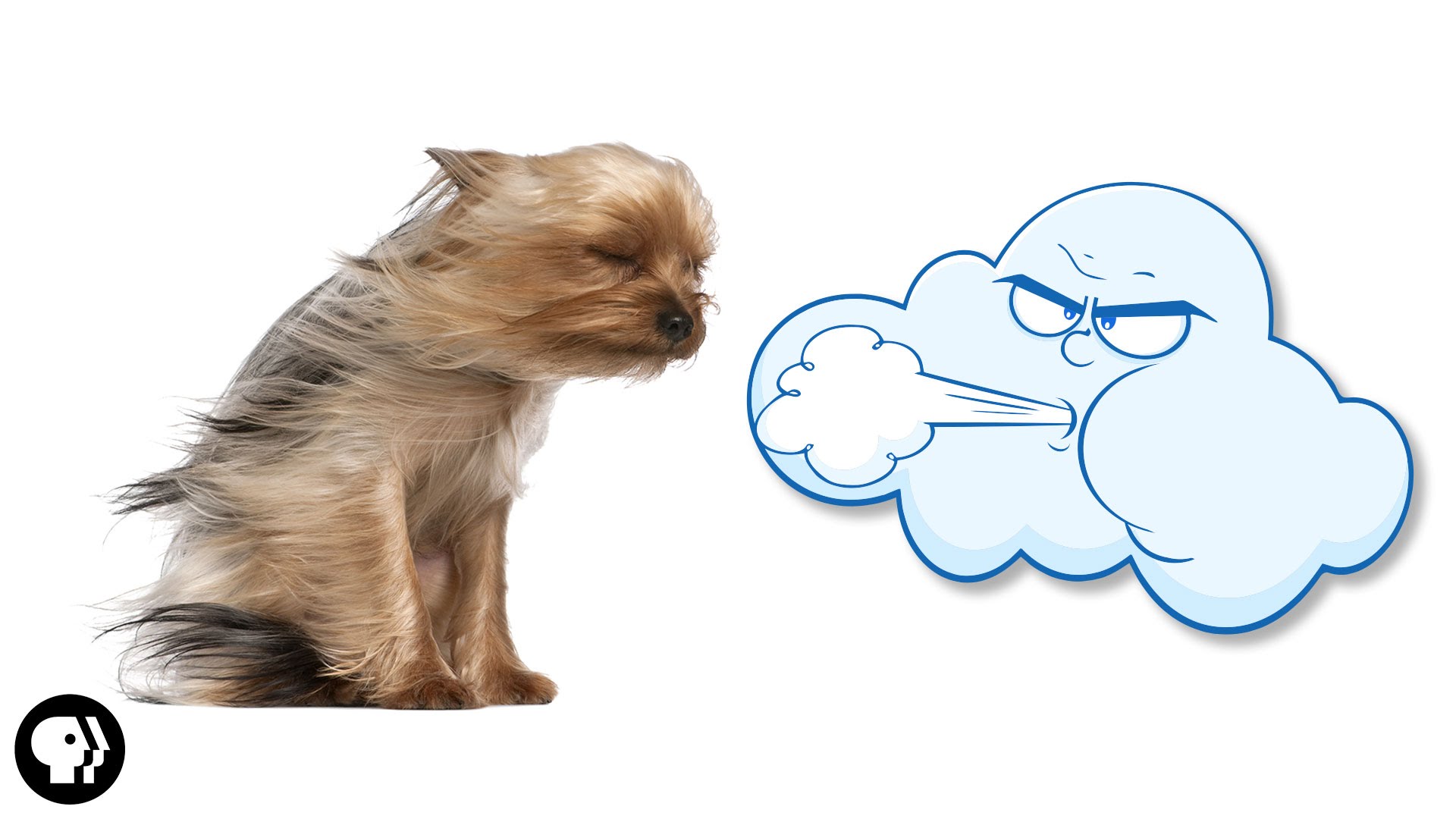
Why Does the Wind Blow?
Description: Even though we experience wind nearly every day most students don't know why the wind blows. Unequal heating of the Earth causes areas of low and high pressure. Wind is simply the movement of air from an area of high pressure to an area of low pressure. Students could keep track of the wind speed and wind direction over a long period of time. They could then try to determine the cause of wind in their local environment.
Web Resource: NOAA - Why Does the Wind Blow?
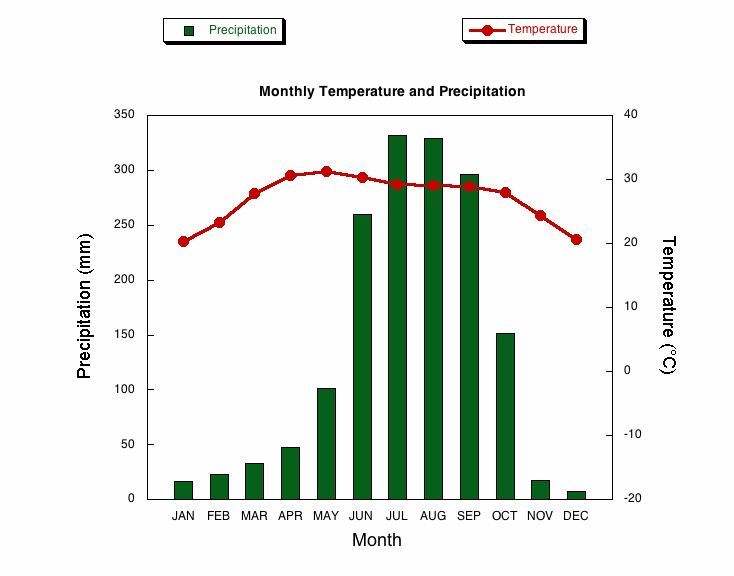
World Climographs
Description: Climographs show the average temperature and precipitation in an area over the course of the year. Websites like climatecharts.net can be used to quickly identify patterns of climate around the world. Students can also ask causation questions related to the climate differences (e.g. How do mountains and wind patterns affect the climate in an area?, How do large bodies of water affect the climate in an area?)
Web Resources: Climate Charts, Climograph - Wikipedia
By NASA [Public domain], via Wikimedia Commons
Vegetable Oil as Fuel
Description: Vegetable oil can be used as fuel in both diesel cars and heating oil burners. Reclaimed vegetable oil that is used in food service industries could be used to reduce the amount of fossil fuels that are being used by humans. This phenomenon could be used in an energy unit related to either the physical or life sciences.
Web Resources: Vegetable Oil Fuel - Wikipedia, Students Power Bus with Vegetable Oil - NBC
Biosphere 2
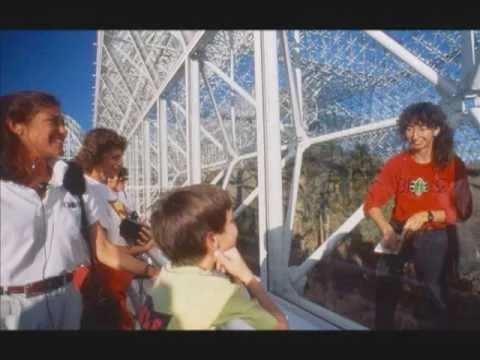
Description: Biosphere 2 was created in the 1990's to model all the elements of Biosphere 1 (The Earth). Plants in the biosphere produced oxygen and food for the inhabitants. The carbon dioxide released during respiration was taken in by the plants cycling the matter with energy from the Sun. In this experiment oxygen levels steadily fell to dangerous levels and oxygen eventually had to be added to the biosphere. This large-scale phenomenon continues to be owned and run by the University of Arizona. The mystery of missing oxygen could be used as a phenomenon in a unit on matter cycling and energy flow. Students can even create biospheres of their own and monitor life over time.
Warning: This video contains strong language (11:06) and is not appropriate for younger viewers. Please use teacher discretion when showing segments of this video directly to children.
Web Resource: Biosphere 2 - Wikipedia
Virtual Field Trips
Description: Virtual field trips allow your students to find and explore phenomenon outside the confines of a normal classroom. This might include finding patterns of the earth's features, exploring structures of animals in different ecosystems, or walking in the footsteps of famous scientists.
Web Resources: Google Expeditions, Google Earth VR

Algae Fuel and Food
Description: Algae food and fuel hope to reduce human dependence on fossil fuels and avert food shortages around the world. Algae fuel works in the same way as fossil fuels but the carbon dioxide released during combustion is carbon taken from the atmosphere in algae photosynthesis. Algae can also be used to create animal feed which currently uses large amounts of soil and water resources. This phenomenon can be use in an energy unit or life science unit related to mass and energy.
Web Resource: Algae Fuel - Wikipedia

Programmable Magnets
Description: Programmable magnets are engineered to have multiple magnetic regions. This allows engineers to build magnets that concentrate force, align spatially, or both attract and repel. Students can design simple solutions to human problems that use this cutting-edge technology.
Web Resource: Programmable Magnets - Wikipedia


The Collapsing Train Car
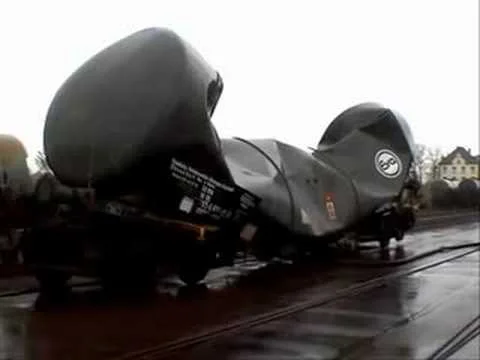
Description: The collapsing train car can be used as an anchoring phenomenon on a unit related to the structure and properties of matter. The macroscopic implosion is caused by a decrease in pressure within the train car and air pressure crushing the car. To fully understand this phenomenon students must understand what is going on at the microscopic level. This phenomenon can be demonstrated at a smaller scale in the lab using an empty soda pop can (containing a small amount of water) that is heated and then inverted in water.
Ice Cube Spikes
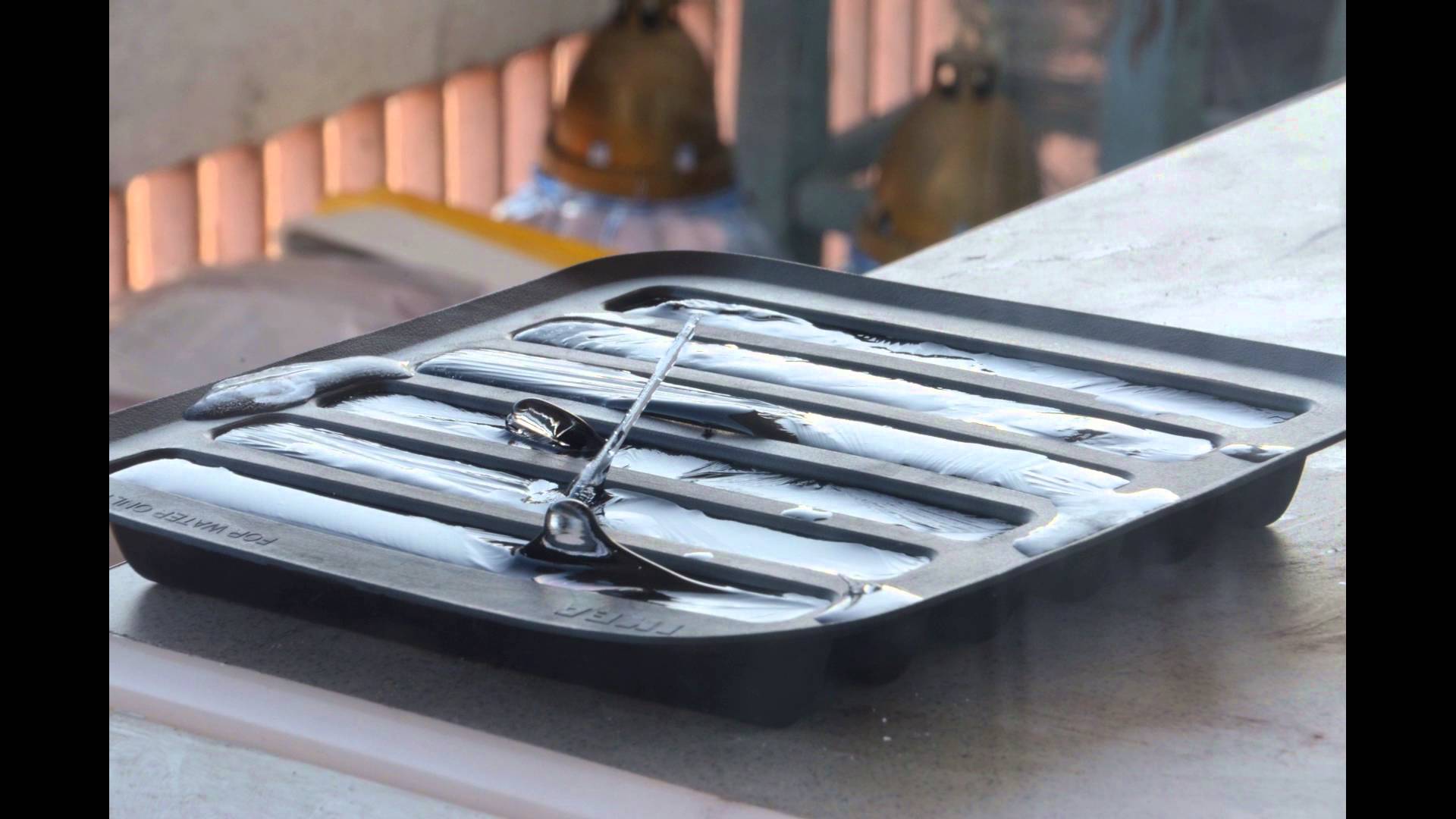
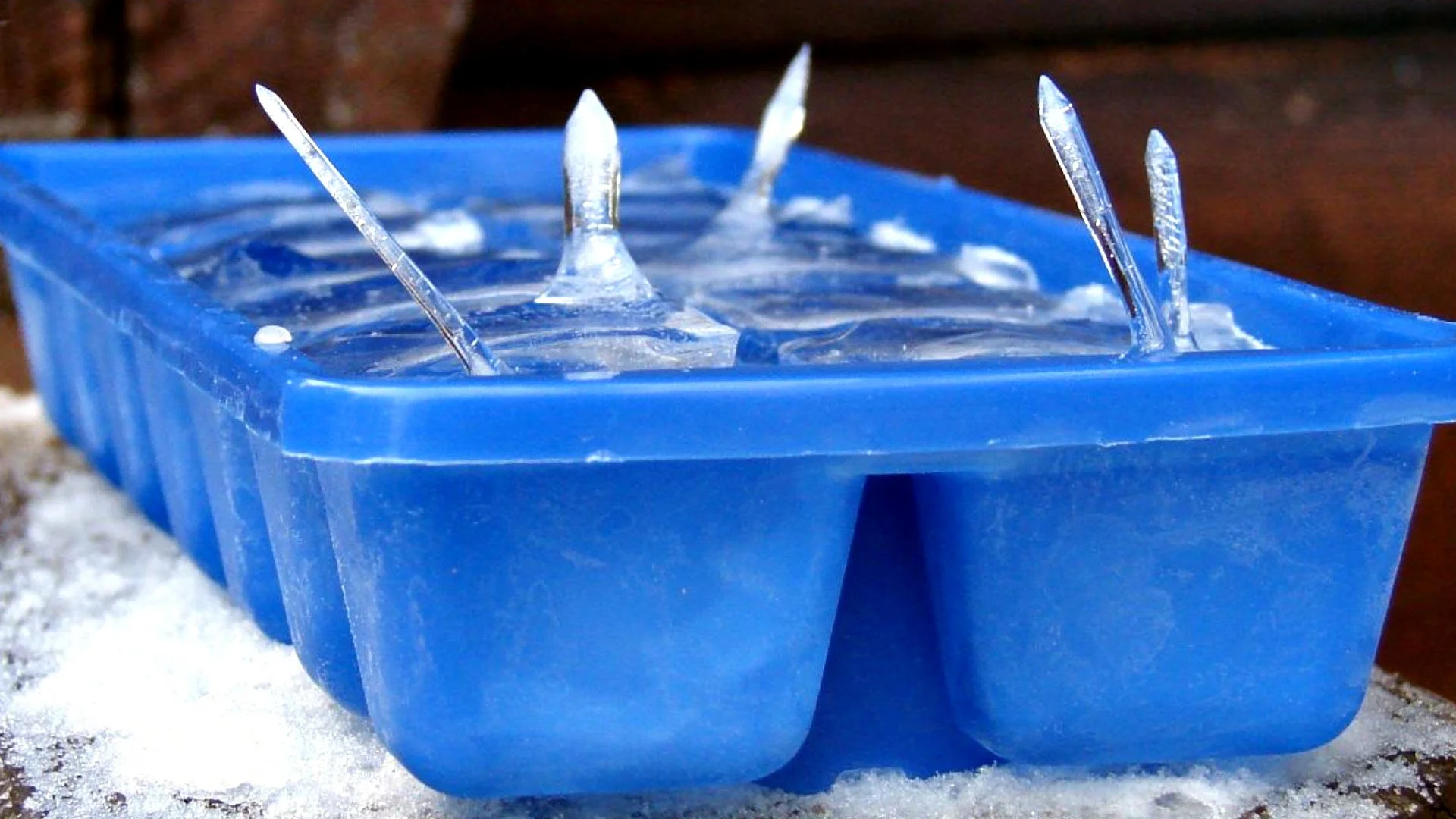
Description: Ice cube spikes form when the exterior of the ice cube freezes first and the expanding water from the inside is forced out through a small hole or weak spot in the exterior. The phenomenon can be used to show the reversible change of freezing in elementary or the intermolecular forces between molecules in high school chemistry.
Web Resource: Spikes on Ice Cubes
The Wonderful Tower of Watts
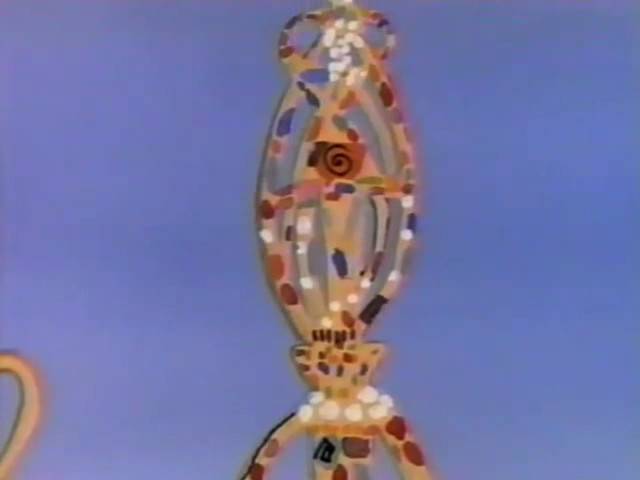
Description: Simon Rodia spent 30 years building the The Towers of Watts using material that other people had thrown away. This large object is made of pieces that were once part of other objects and can be used as a phenomenon to start building the foundations of chemistry. The book also can be connected to a literacy and sustainability unit.
Web Resources: Watts Tower - Wikipedia, The Wonderful Tower of Watts on Amazon
Will It Conduct?
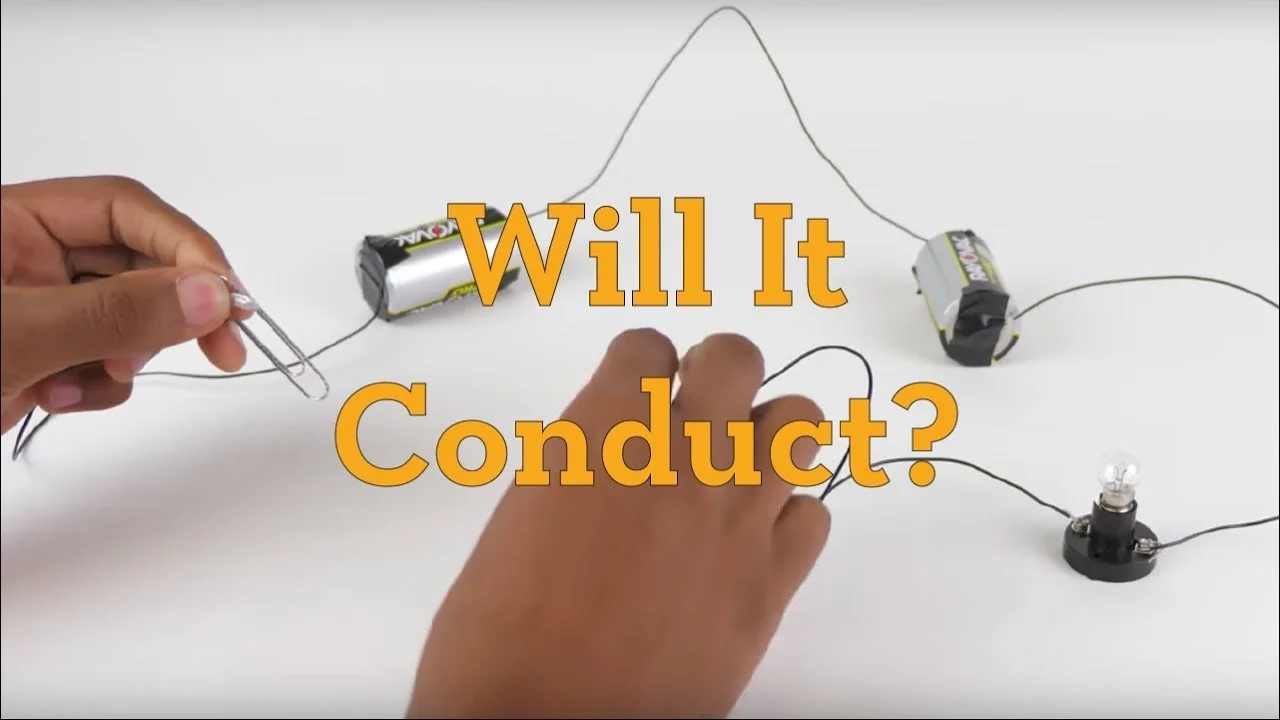
Description: Conductivity is an excellent way to classify material by their observable properties. Conducting material (e.g. metal), non-conducting material (e.g. plastic), and semi-conducting material (e.g. graphite) should all be used. A simple circuit with a lightbulb is used to determine the conductivity of different materials. These properties can be used to determine if a chemical change has occurred by testing before and after substances have been mixed. These properties can also be used in the design of an engineering solution.
Web Resource: Teach Engineering - Conductivity
Precious Plastic
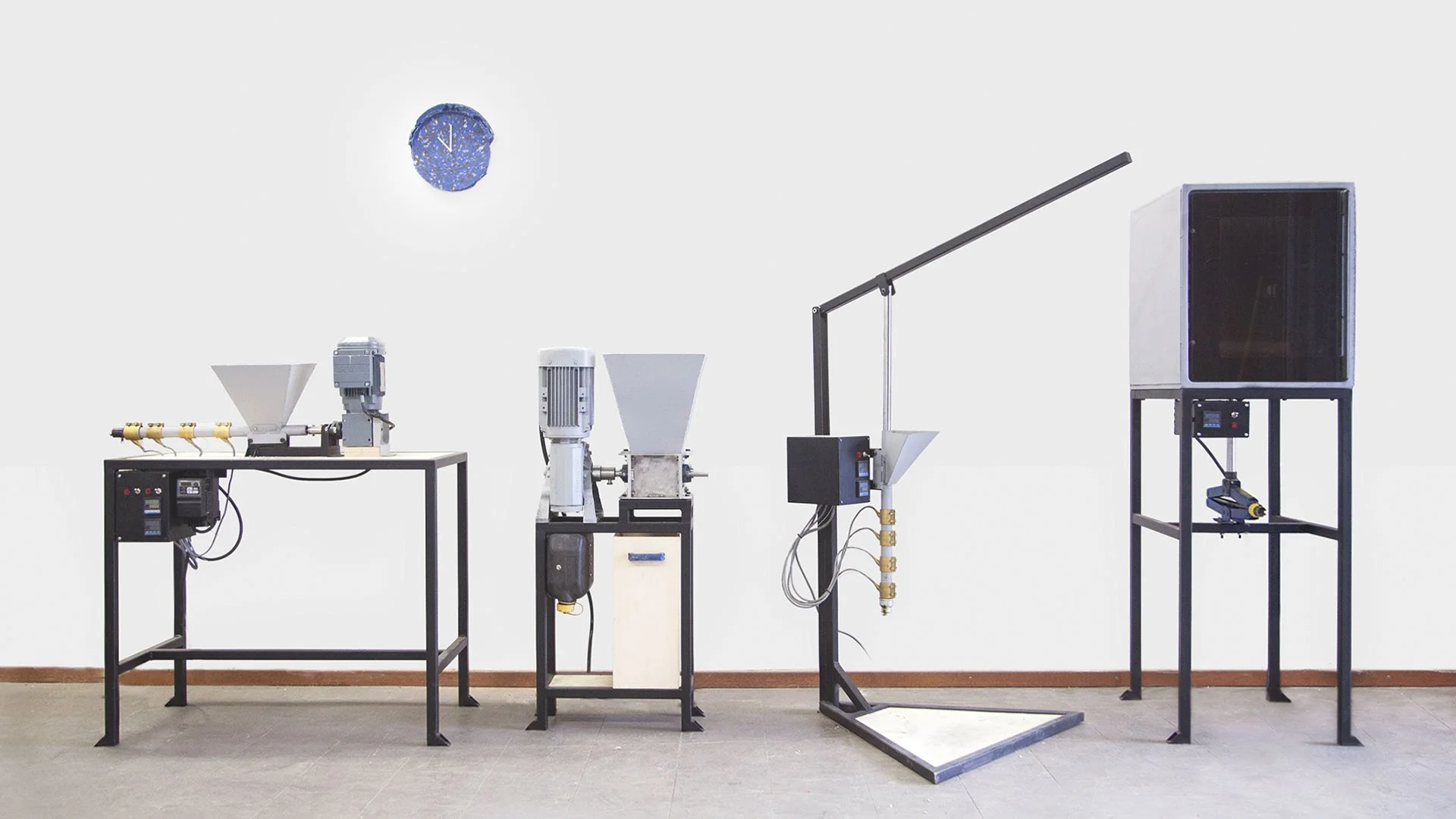
Description: Precious Plastics was created in 2013 by Dave Hakkens. It is a website that shares DIY plans for building machines that can recycle plastic. Plastic is recreated through a non-reversible reaction and if it isn't recycled this valuable plastic is often lost forever when it is dumped in a landfill. These plans have spawned a community of DIY plastic recyclers around the world. Even though most students lack the ability to construct these machines it may lead to simple projects like the Ecobricks project linked below.
Web Resources: Precious Plastic, Ecobricks - plastic, solved
The Marianas Trench - Deepest Ocean
Description: The Marianas Trench is the deepest point in the ocean. It is located in the western Pacific and reaches a maximum depth of 10,994 meters below sea level. If Mount Everest were dropped into the trench the peak would still be a mile underwater! This trench is formed at a subduction zone as the Pacific and Marina oceanic plates collide. This also creates the volcanic Mariana island. This phenomenon can be used to introduce patterns of landforms in elementary and the plate tectonics in middle and high school.
Web Resource: Marianas Trench - Wikipedia

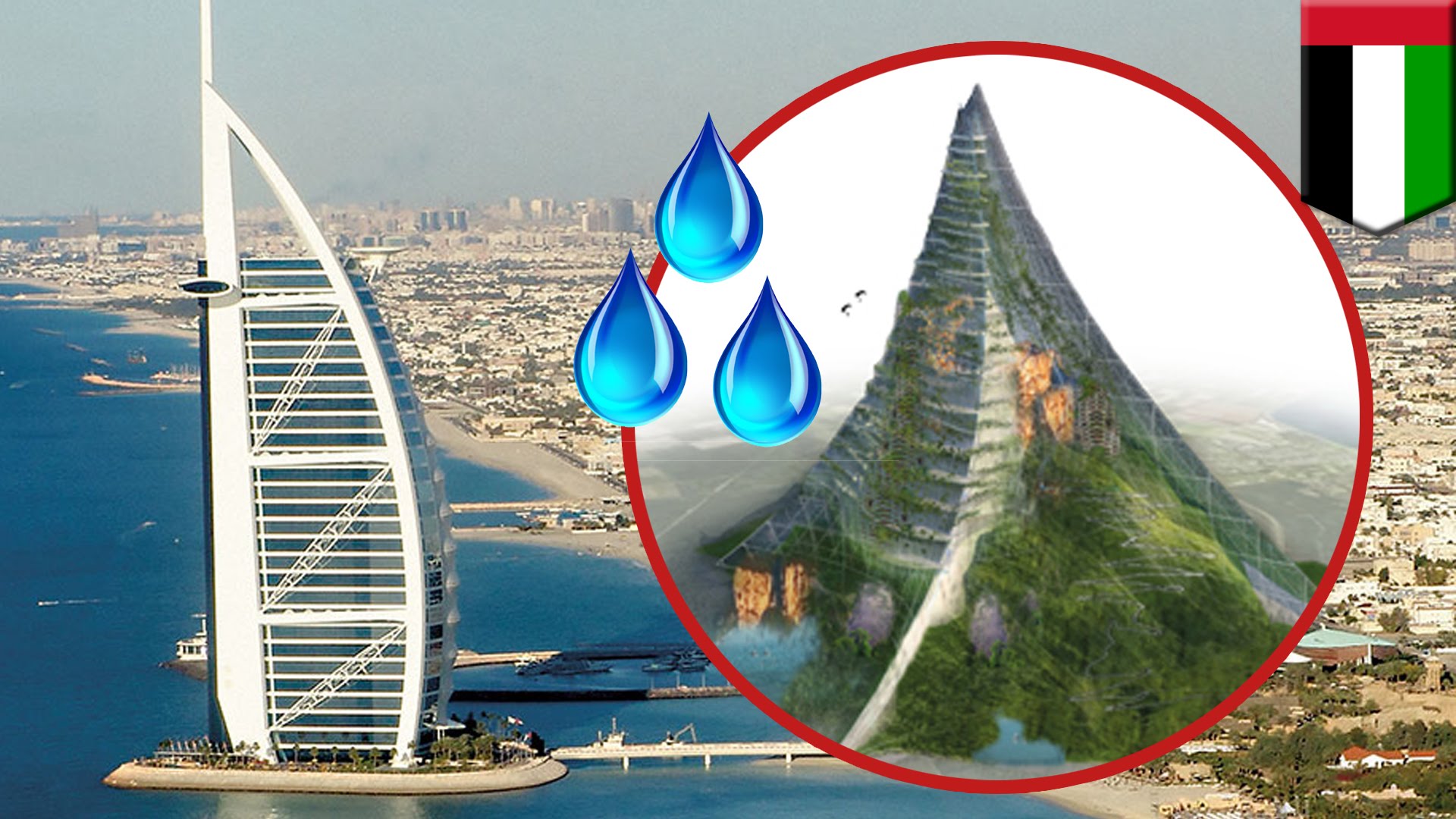
UAE Building a Mountain to Increase Rainfall
Description: The UAE is exploring the idea of building a mountain to increase rainfall in the area. The government has already used cloud seeding in the area to increase rainfall and is currently exploring a mega-project to build a mountain. This could be used as an anchoring phenomenon in a unit on weather and climate. The design solution would mimic the role of mountains in affecting climates around the world.
Web Resource: Independent - UAE to Build ‘Fake” Mountain
Stilt Houses
Description: Stilt houses are built on pilings to avoid local weather conditions like storms and flooding. This engineering design solution allows humans to reduce the impact of weather-related hazards. Students can evaluate the merits of this solution or design solutions of their own for a local environment.
Web Resources: Stilt House - Wikipedia, Make it Right